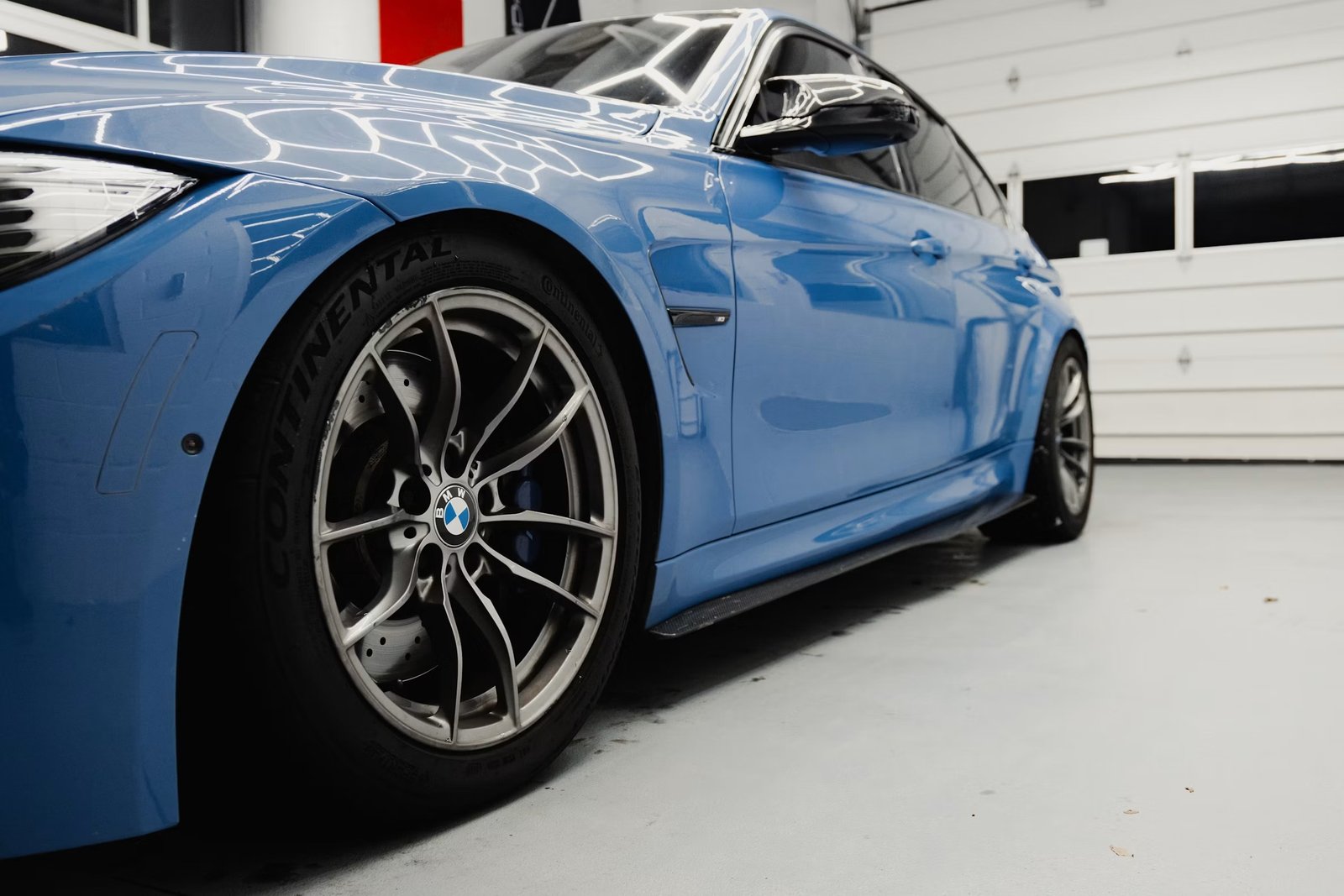
You wash your car regularly, maybe even pay for a valet now and then, yet under direct sunlight the paint looks tired. Fine scratches catch the light in a spiderweb pattern, the colour seems flat rather than deep, and reflections look hazy instead of sharp. This is one of the most common things we get asked about, and almost always the answer is the same: swirl marks.
What Swirl Marks Actually Are
Swirl marks are not a single deep scratch. They are a dense network of tiny, shallow scratches sitting in the clear coat, the protective top layer of your paint. Individually they are barely visible. Together, especially under direct light or sun, they scatter light in every direction instead of reflecting it cleanly, which is what makes the paint look dull, hazy, or flat rather than glossy.
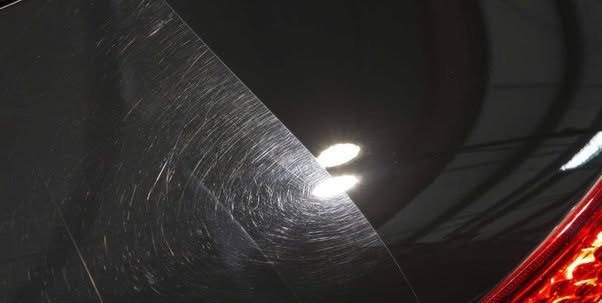
If you run your hand over the surface, you likely will not feel anything. That is normal. Swirl marks live in the clear coat, not on top of it, which is exactly why they cannot be washed away no matter how careful you are.
What Causes Them
The honest answer is that most swirl marks are self-inflicted, not from accidents or rough conditions, but from the everyday washing process itself.
Automated car washes are the single biggest cause. The brushes used in rollover and tunnel washes are shared across hundreds of cars a day. They pick up grit, sand, and old contamination from every vehicle that has gone through before yours, then drag it directly across your paint. Every single wash adds more fine scratching, even though the car looks clean afterwards.
Improper hand washing causes the same damage more slowly. Using a sponge instead of a proper wash mitt, washing in circular motions instead of straight lines, reusing the same wash water without rinsing, or using a single bucket rather than a two-bucket method all grind loose dirt particles into the paint rather than lifting them away.
Drying technique matters just as much. Wiping a car dry with an old towel, or worse, letting it air dry in the sun, drags whatever is left on the surface across the paint and bakes any remaining residue into the clear coat.
Even careful owners build up swirl marks over years simply through the accumulated effect of regular washing without the right technique or products.
Can Swirl Marks Be Removed?
Yes, but not through washing, waxing, or any product applied by hand. Swirl marks sit in the clear coat itself, which means the only way to remove them is to level the surrounding clear coat down to the same depth as the bottom of the scratches. This is what paint correction actually is.
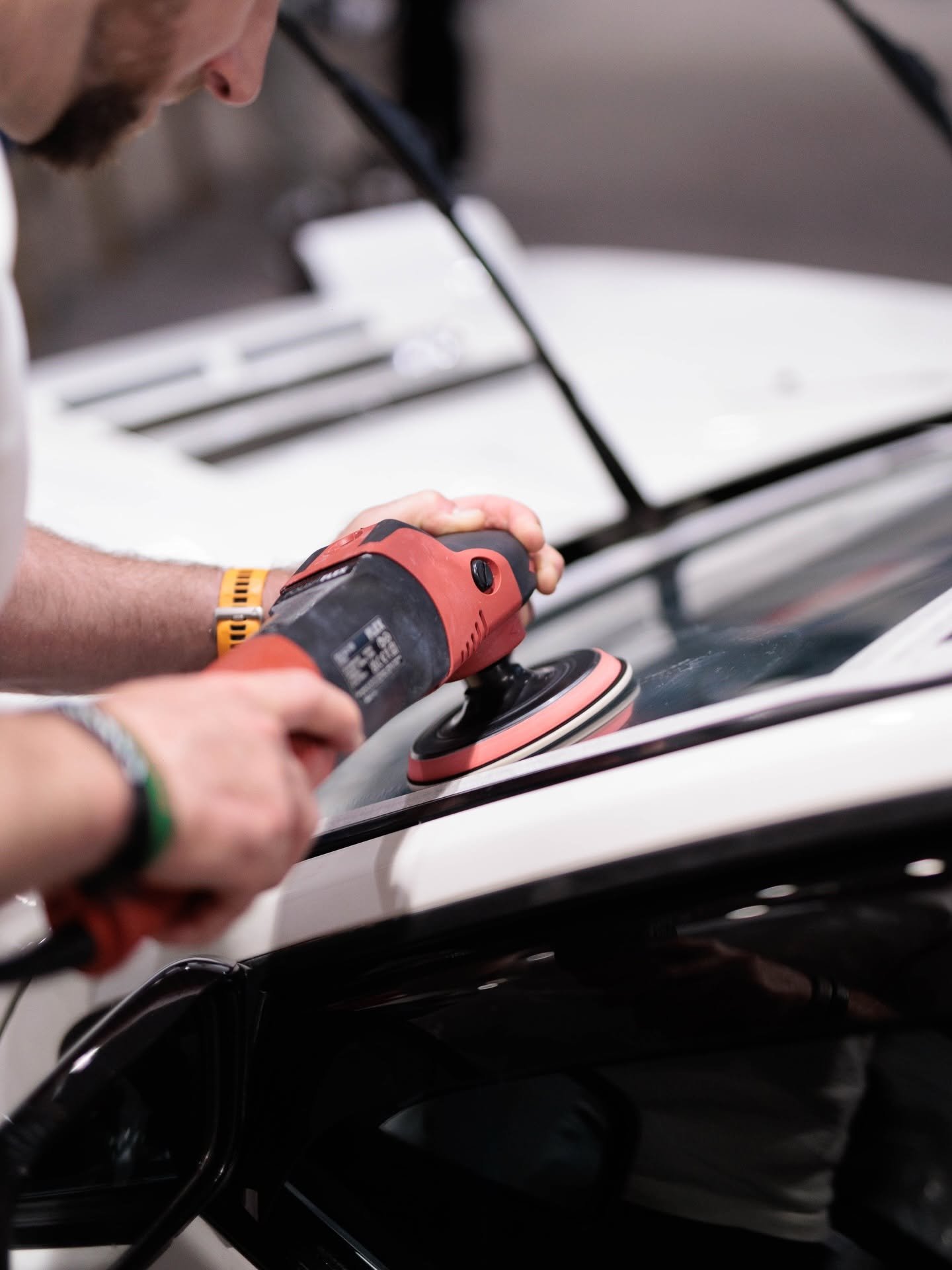
It is carried out using a machine polisher and cutting compounds that gradually remove a microscopic layer of clear coat across the whole panel, eliminating the scratches rather than hiding them. Done properly, this restores the reflective, glass-like finish the paint had when the car was new.
How much correction a car needs depends entirely on its condition. Some cars need a single, lighter pass to remove light swirling and restore gloss. Others, particularly older cars or ones that have been through years of automated washes, need a more thorough multi-stage process to fully correct deeper scratching. Because of this, we always assess the paint in person and quote individually rather than offering a fixed price, since the right approach for a lightly swirled car is very different from what a heavily marked one actually needs.
Preventing Swirl Marks Going Forward
Once paint has been corrected, protecting that finish matters more than ever, since the clear coat is naturally thinner after correction and more vulnerable to the same damage returning if washed the wrong way again. The simplest steps that make the biggest difference: avoid automated car washes entirely, use a proper two-bucket wash method with a dedicated wash mitt, and dry with a clean, soft microfibre towel rather than letting the car air dry or using an old cloth.
A ceramic coating applied after correction also helps significantly, since it adds a sacrificial, more scratch-resistant layer on top of the paint, meaning future light marking is more likely to sit on the coating rather than directly in your clear coat.
The Bottom Line
If your car's paint looks dull or hazy despite regular washing, swirl marks are almost certainly the cause, and the good news is that it is fully correctable. Since the right level of correction depends entirely on the current condition of your paint, we assess every car individually rather than guessing from a description.
LXC Detailing covers Burnham, Maidenhead, Windsor, Marlow, and the surrounding areas across Berkshire and South Buckinghamshire. We come to your driveway.
Think Your Car Needs Correcting?
Request a Free Quote
Every car is different, so we assess paint condition individually before quoting. Tell us about your car and we will get back to you with an honest recommendation.
Request a Quote →Frequently Asked Questions
Dull or hazy paint despite regular washing is almost always caused by swirl marks, a dense network of fine scratches in the clear coat that scatter light instead of reflecting it cleanly. They are usually caused by automated car washes or improper hand washing technique over time.
No. Swirl marks sit within the clear coat itself, so they cannot be washed, waxed, or polished away by hand. The only way to remove them is through machine paint correction, which levels the surrounding clear coat down to the depth of the scratches.
The most common cause is automated car washes, where shared brushes drag grit and old contamination across the paint. Improper hand washing technique, using a sponge instead of a wash mitt, washing in circular motions, or drying with an old towel, also causes swirl marks to build up over time.
Paint correction is always quoted individually based on the condition of the paint, since some cars need a single lighter pass while others require a more thorough multi-stage process. We assess every car in person before providing a quote.
Avoid automated car washes entirely, use a proper two-bucket hand wash method with a dedicated wash mitt, and dry with a clean microfibre towel rather than letting the car air dry. A ceramic coating applied after correction also adds a sacrificial layer that helps protect the clear coat underneath.