Resources
CERAMIC COATINGS GUIDE
Understand what ceramic coating is, how it works, what it protects against, and how to look after it. Cut through the marketing and make an informed decision.
Filter by topic
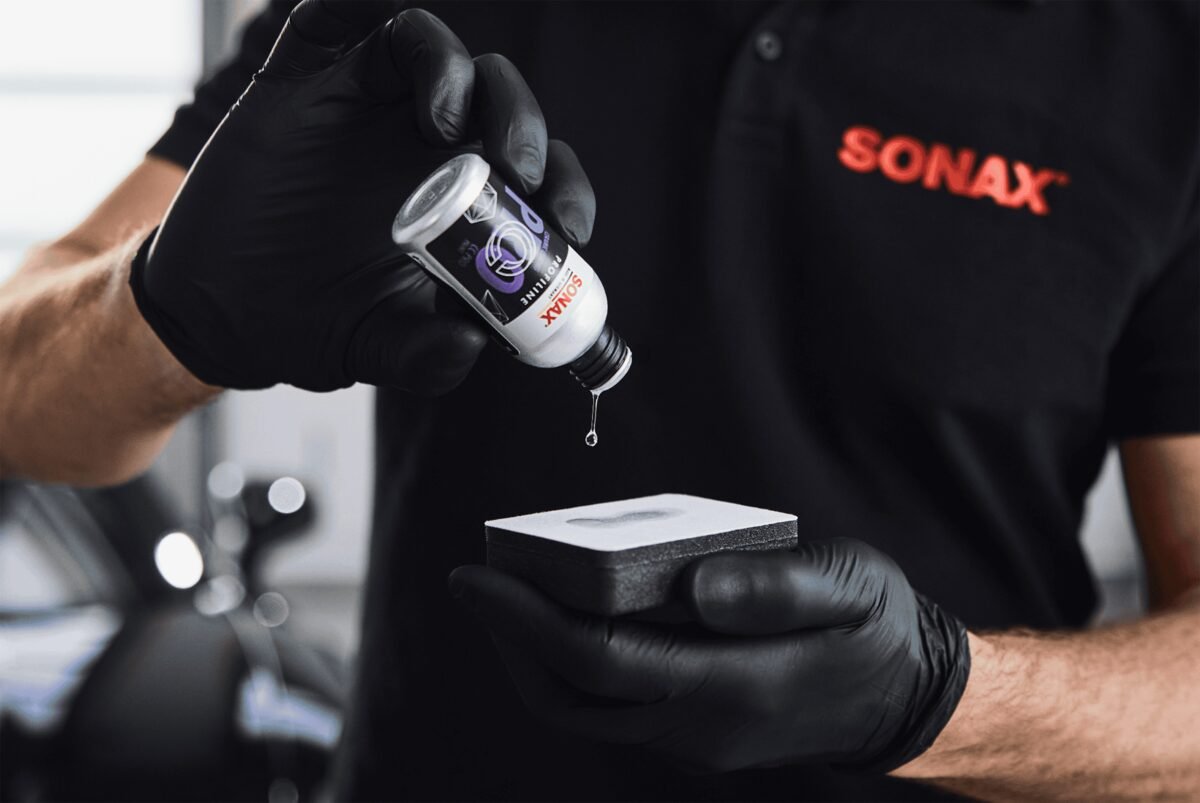
What Ceramic Coating Actually Is
Marketed as "liquid glass" or "nano coating"
Ceramic coating is a chemical bond of silicon dioxide (SiO2) to your car's clear coat. It creates a hard, hydrophobic layer that repels water, dirt, and UV. It is not a substitute for paint correction, and it does not make your car scratch-proof.
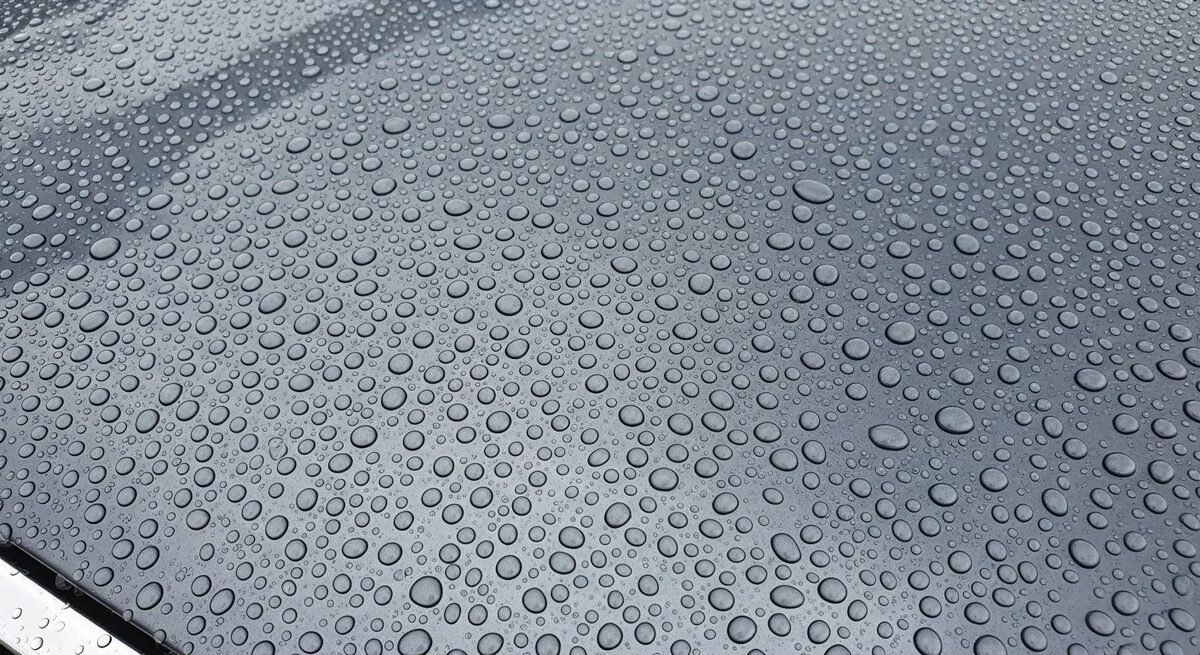
Ceramic Coating vs Wax vs Sealant
Confusing product labels and conflicting advice online
Wax lasts weeks, sealant lasts months, ceramic coating lasts years. Wax gives warmth and depth but washes off quickly. Sealants are synthetic and more durable but still degrade. Ceramic coating chemically bonds to the surface for long-term protection and gloss.
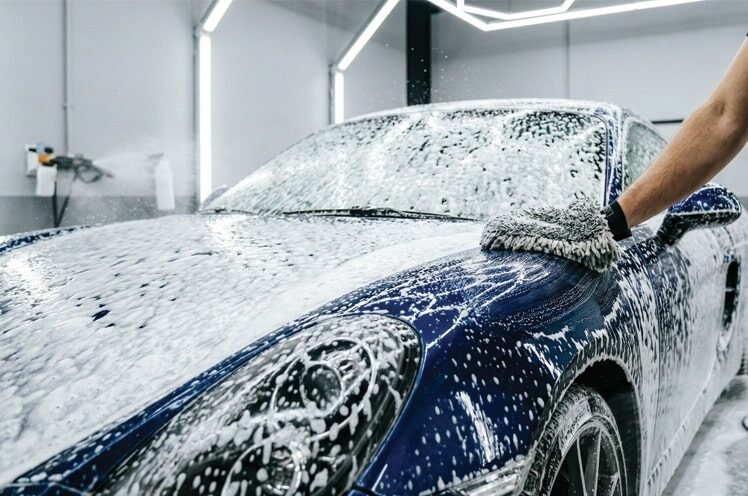
How Long Does Ceramic Coating Last?
Brands claiming "lifetime protection" or "10-year durability"
Longevity depends on the product grade, the quality of prep, and how the car is maintained afterwards. Entry-level coatings last 1 to 2 years. Professional-grade coatings last 3 to 5 years with proper aftercare. Neglecting maintenance will shorten any coating's life. Curing conditions and ongoing care matter as much as the product itself.
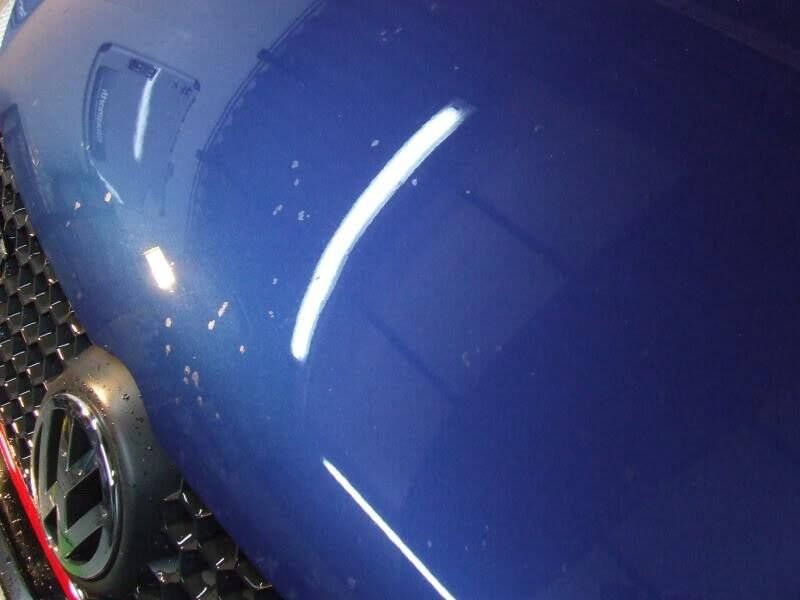
What Ceramic Coating Does Not Do
Expectations set by marketing videos
Ceramic coating does not prevent stone chips, deep scratches, or door dings. It does not eliminate the need to wash your car. It does not self-heal (that is paint protection film). It makes maintenance easier and protects against UV, chemical staining, light marring, and bird droppings.
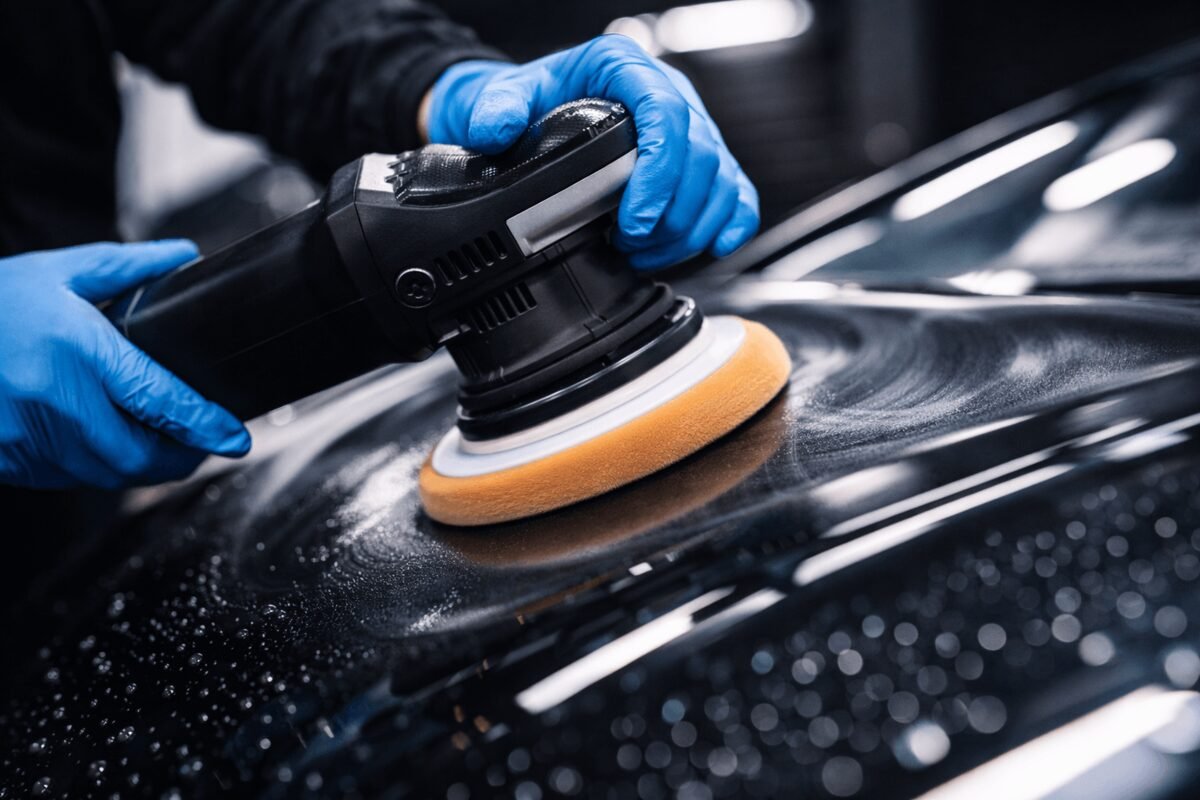
Why Paint Correction Comes First
Wanting to skip straight to coating
Ceramic coating locks in whatever is underneath it. If your paint has swirl marks, scratches, or oxidation, the coating seals those in permanently. Paint correction removes those defects first, giving you a clean, glossy surface to coat.
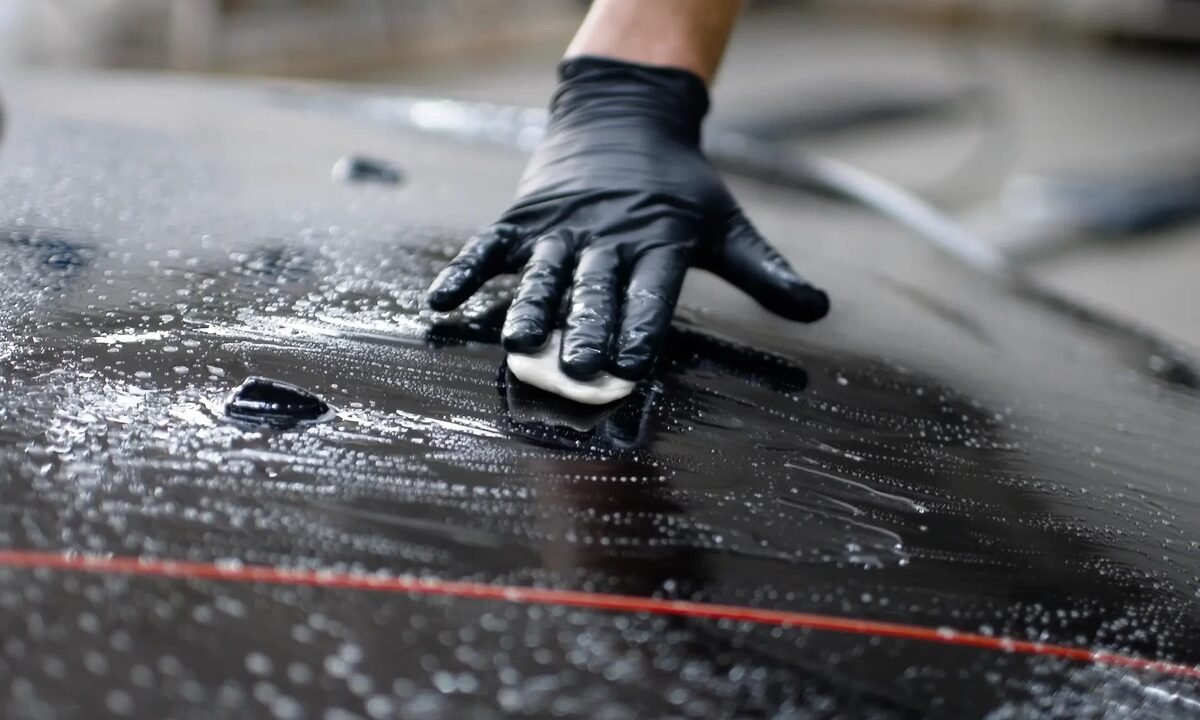
Surface Preparation and Decontamination
Assuming a wash is enough before coating
Before any coating goes on, the paint must be chemically decontaminated (iron fallout remover, tar remover), clayed to remove bonded contaminants, and polished to remove any remaining defects. Skipping this means the coating bonds to contamination instead of clean paint.
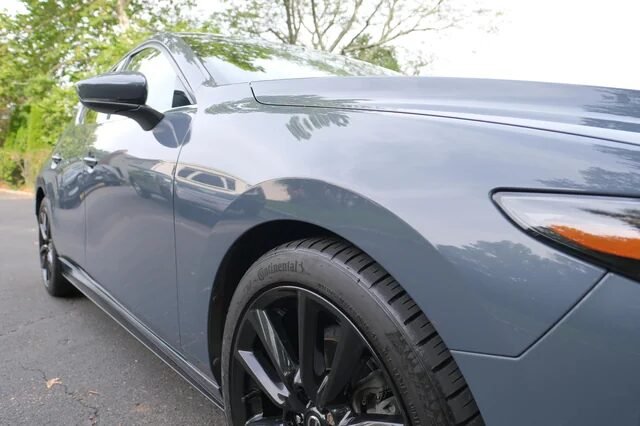
Curing and Initial Care
Driving off and immediately parking under a tree
After application, ceramic coating needs time to cure, typically 24 to 48 hours before exposure to water. During this period the coating is still hardening and is vulnerable. Parking in a garage or under cover is ideal. High spots that form during application must be caught before the coating fully sets.
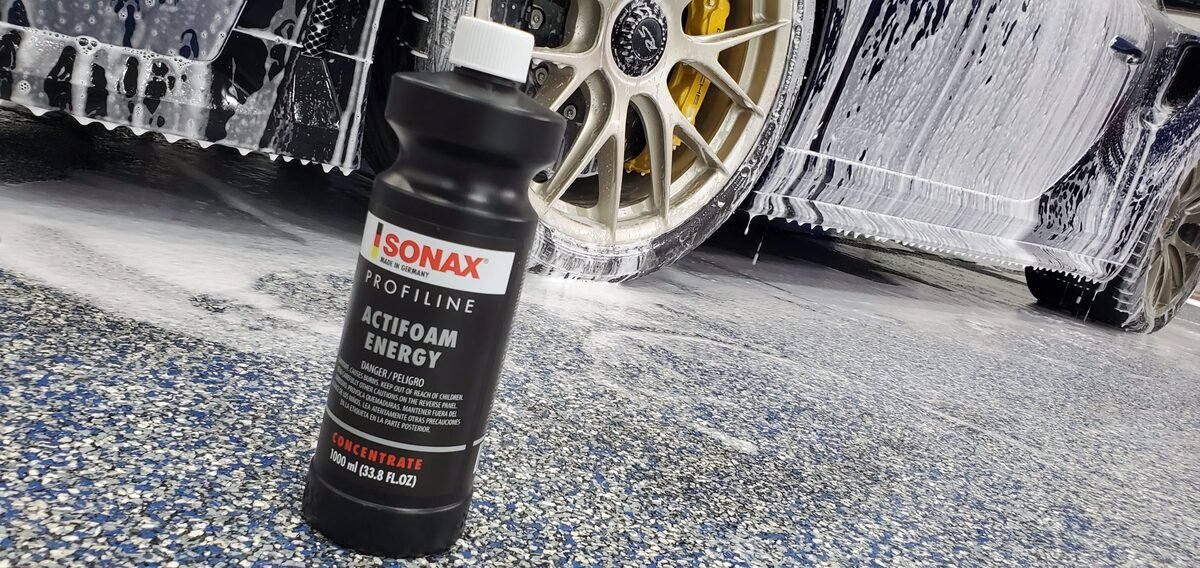
Washing a Coated Car
Thinking you can stop washing altogether
Ceramic coating makes washing easier, not unnecessary. Dirt still sits on the surface and can cause marring if left. Use a pH-neutral car shampoo, avoid automatic car washes with brushes, and wash with the two-bucket method or a pressure washer and foam cannon.
Products to Avoid on Coated Paint
Using whatever is in the garage
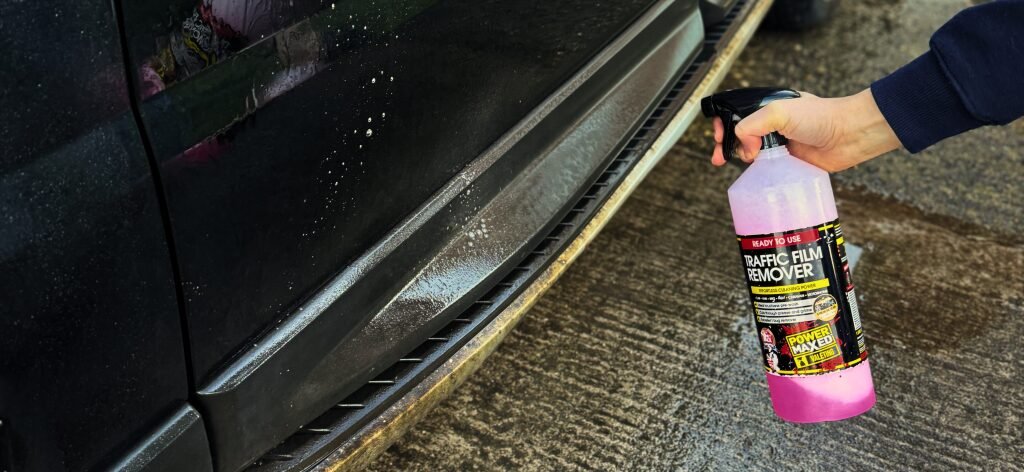
Avoid abrasive polishes, all-in-one products, and anything with high alkalinity. These can degrade or strip the coating over time. Stick to pH-neutral shampoos and dedicated coating maintenance sprays. Avoid traffic film removers (TFR) at full strength.
When Your Coating Needs Replacing
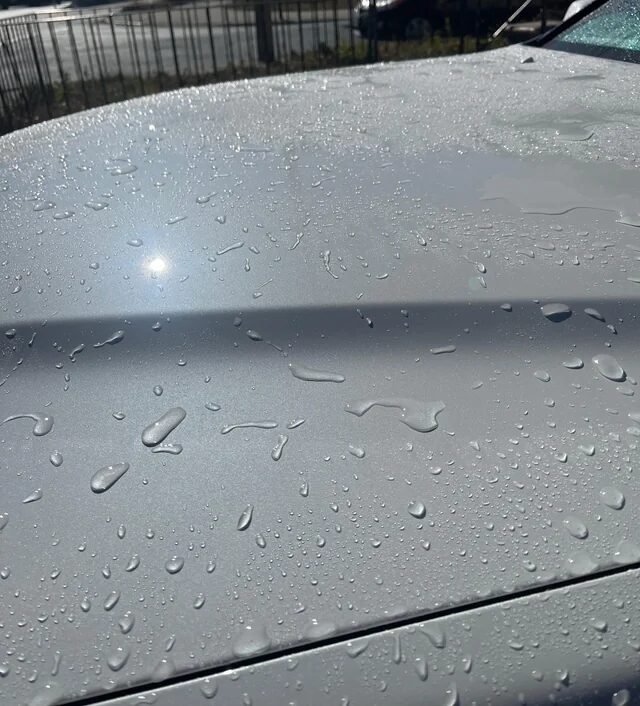
Water no longer beading, surface feeling rough, gloss fading despite washing
These are signs the coating has worn through or degraded. UV exposure, harsh chemicals, and neglected maintenance all accelerate this. A coating that once sheeted water effortlessly but now holds flat pools has reached the end of its effective life.
"Ceramic Coating Makes Your Car Scratch-Proof"
Believing nothing can touch your paint after coating
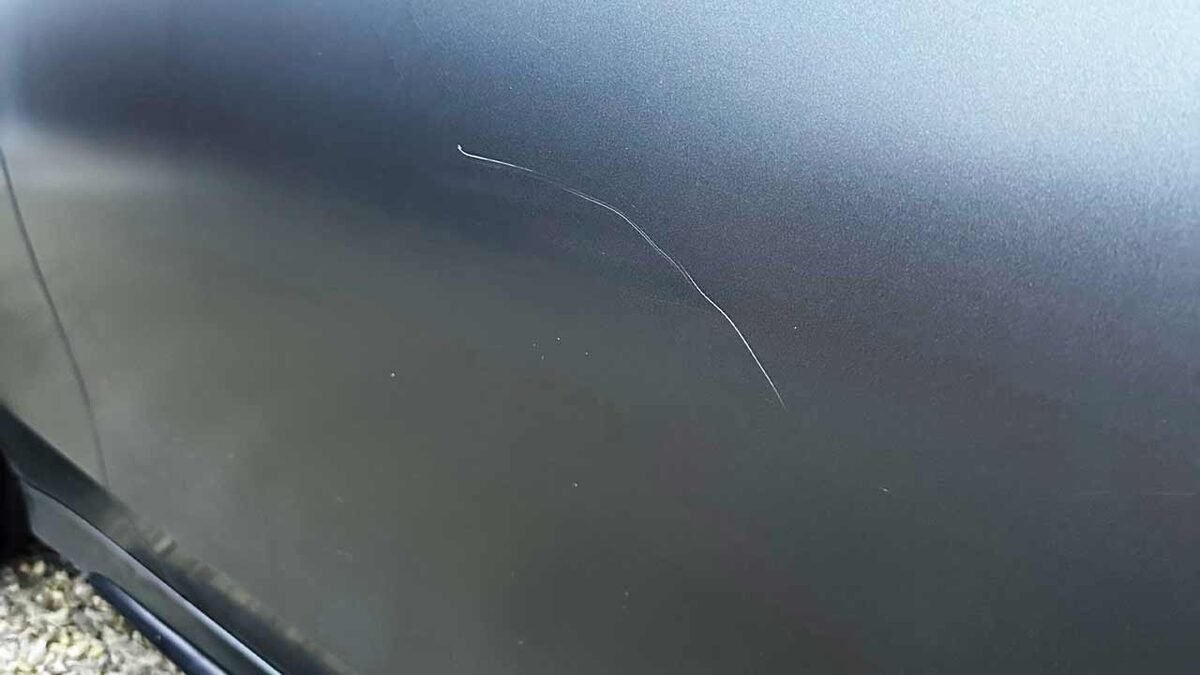
Ceramic coating adds hardness (typically rated 9H on the pencil hardness scale), but this does not mean scratch-proof. A shopping trolley, a zip, or careless washing will still mark the surface. The coating resists light marring better than unprotected paint, but it is not armour.
"You Can Apply Ceramic Coating Yourself"
YouTube tutorials making it look easy
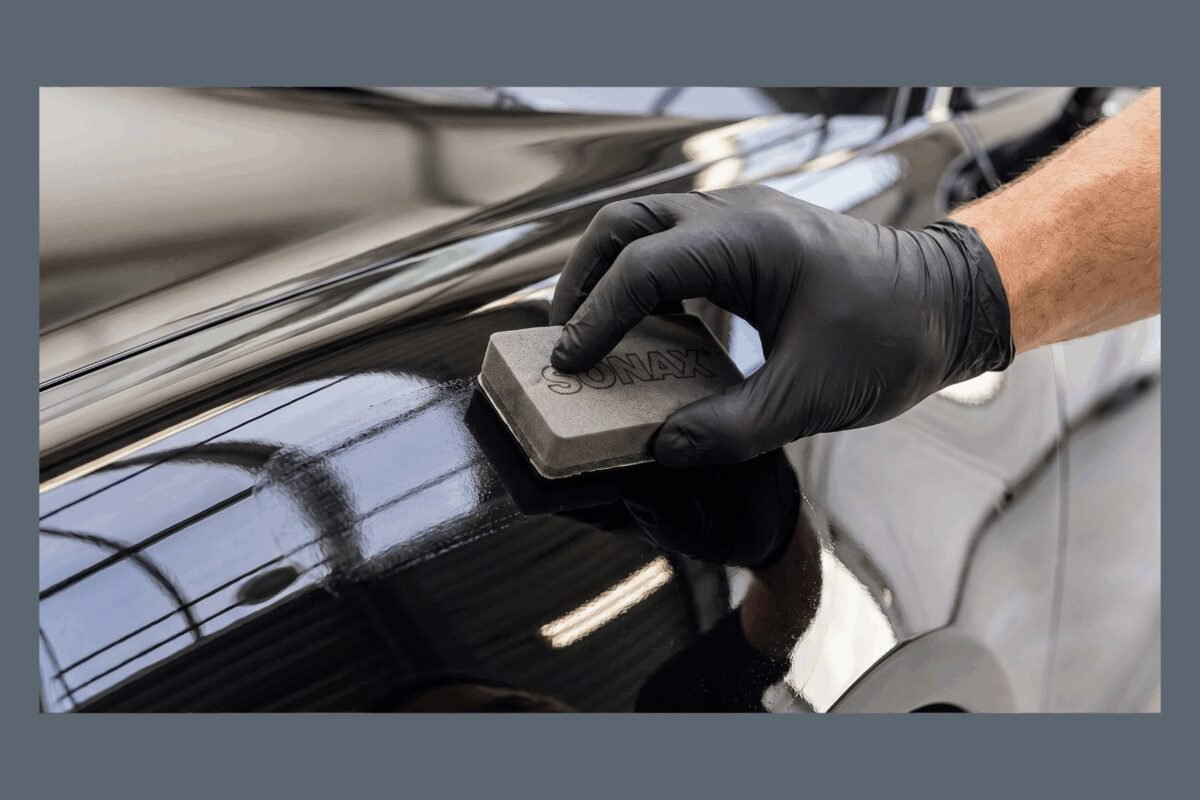
Consumer-grade ceramic coating kits exist, but they are significantly weaker than professional-grade products. Professional application also requires controlled conditions, proper lighting, and trained technique. Uneven application leads to high spots, streaking, and premature failure.