Resources
EXTERIOR CARE GUIDE
Filter by area to identify what your car's exterior needs, what is causing the issue, and the right way to deal with it.
Filter by area
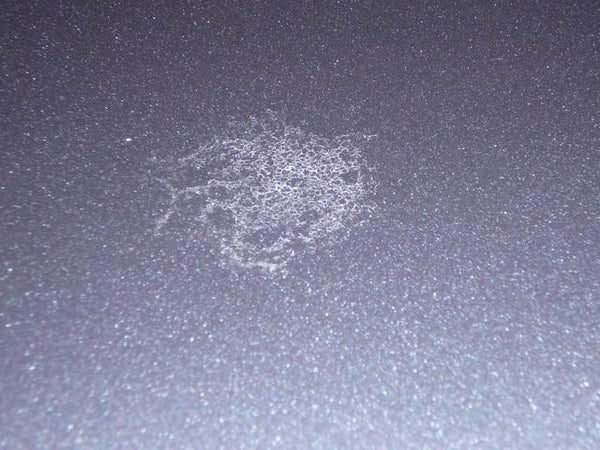
Bird Etching
Dull ring or outline remaining on paint after a bird dropping has been removed
Bird droppings contain uric acid that eats into clear coat, and warm paint accelerates the damage significantly. If the dropping has been removed but a dull mark remains, the acid has already etched into the surface. This is not contamination on top of the paint, it is physical damage to the clear coat itself, and it will not improve with washing.
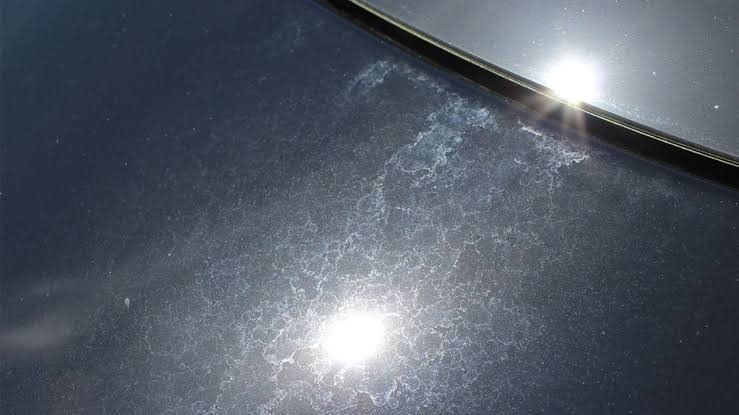
Water Spot Etching
White circular marks that remain after washing, most visible on dark paint in raking light
Water spots become etching when minerals are driven into the clear coat by heat. Once etched, no amount of washing or waxing will shift them because the damage is in the paint surface itself. Hard water areas like Berkshire and South Bucks accelerate this since the water carries higher mineral concentrations. Spots that have been baked on through summer are often deeper than they look.
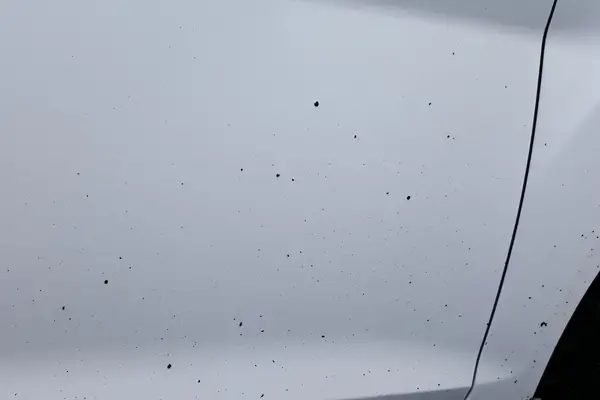
Tar & Iron Fallout
Black sticky dots along the lower panels, or tiny orange specks that feel rough to touch
Tar is flicked up from warm road surfaces and bonds to paint on contact. Iron fallout comes from brake dust and rail or industrial sources, embedding as microscopic particles that rust in place. Neither will wash off with shampoo. Left long enough, both types of contamination attract further dirt and can begin to cause staining beneath them.
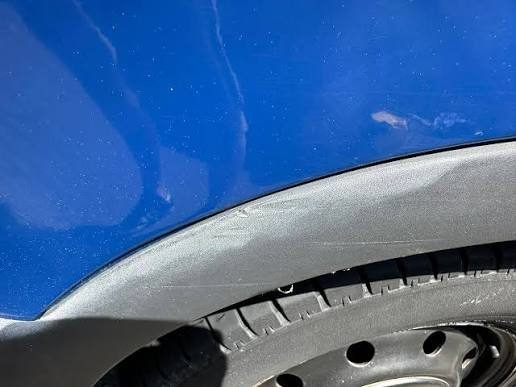
Faded Plastic Trim
Bumper strips, arch trim, and mirror caps that have turned grey or chalky instead of black
Unpainted exterior plastics lose their oils through UV exposure over time. The result is a faded, washed-out grey that ages the whole appearance of the car more than almost anything else. Cars kept outdoors fade faster, and darker coloured trims show the contrast most obviously. The plastic itself is still sound, it is only the surface that has degraded.
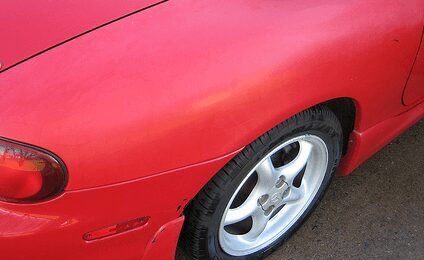
Dull or Oxidised Paint
Paint looks flat, chalky, or faded, particularly on the roof, bonnet, and boot lid
UV exposure breaks down the clear coat over time, causing the paint to lose its depth and gloss. Horizontal panels are always worst affected since they face the sun most directly. Red and dark colours show oxidation earliest. A chalky residue left on your hand when you wipe the panel is a sign the degradation is moderate to severe.
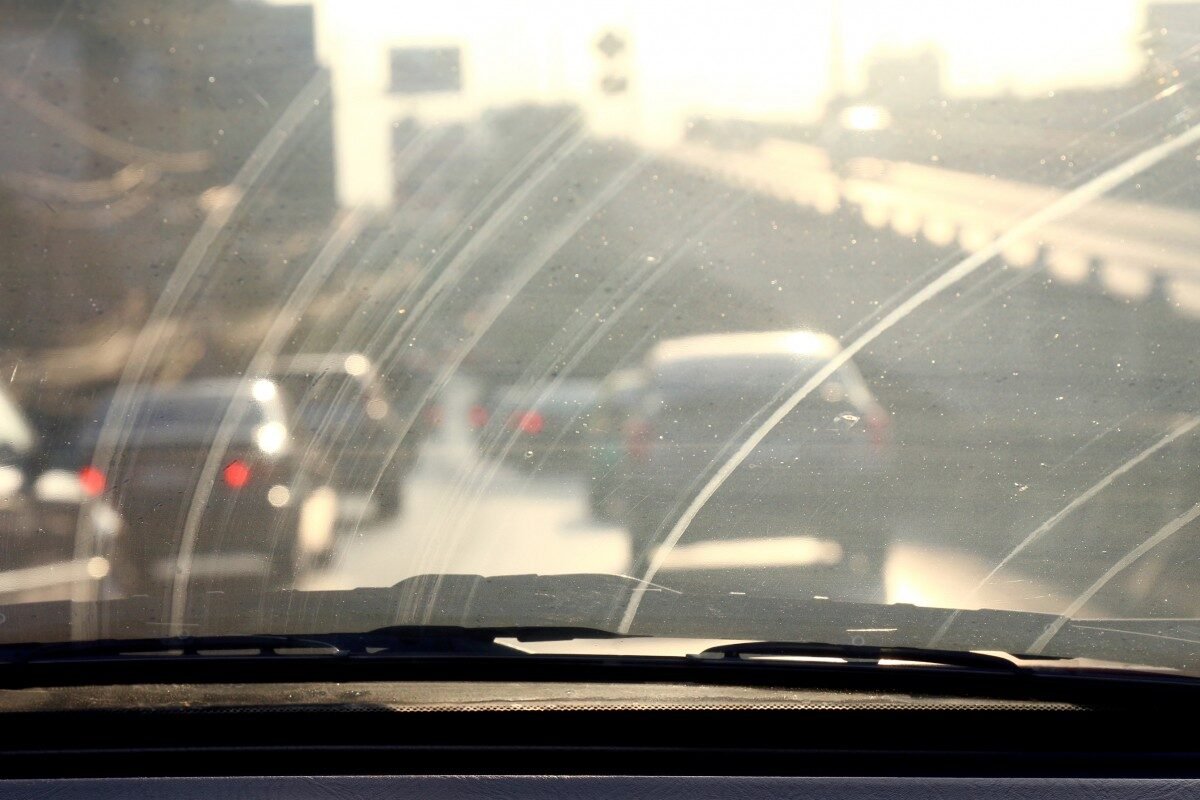
Glass Film & Wiper Smearing
A hazy or greasy film on the inside or outside of glass, smearing when wipers are used
Glass film builds up from silicone residue from interior dressings, exhaust deposits, traffic grime, and the plasticiser that off-gases from dashboard materials. On the windscreen it causes dazzle in low sun and at night from oncoming lights. Smearing wipers make the problem worse by dragging the film across the glass rather than clearing it.
Water Spots on Glass
White rings or calcium deposits on windows that do not clean off with normal glass cleaner
Water spots on glass are the same mineral deposits as on paint, but glass is less forgiving since it cannot be polished as aggressively. Spots that have been on the glass through multiple heat cycles bond strongly and require a dedicated glass polish or cerium oxide treatment. The rear windscreen, fixed side windows, and glass roofs are the most commonly affected.
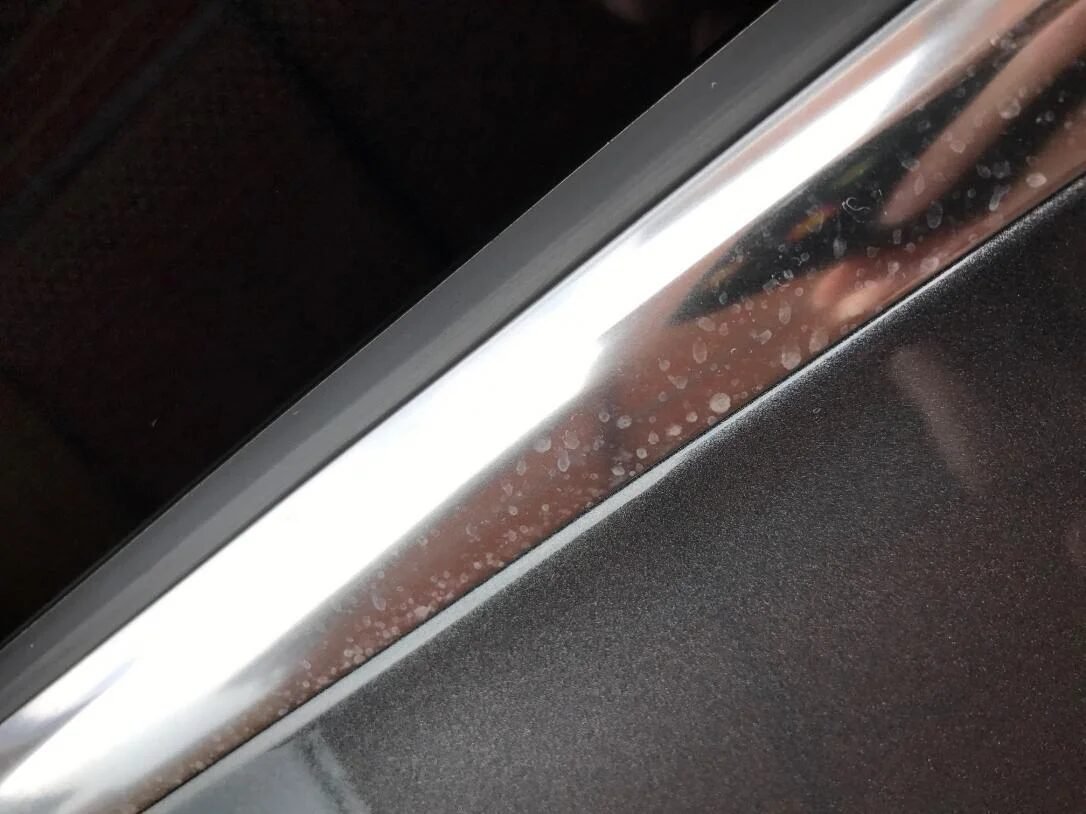
Tarnished Chrome
Chrome trim, grille bars, or exhaust tips that have lost their mirror finish and look dull or yellowed
Chrome tarnishes through exposure to road salt, water, and heat. Exhaust tips discolour from heat and carbon deposits. Light tarnishing is purely cosmetic but left untreated, oxidation sets deeper into the chrome plating and becomes harder to reverse. Pitting from corrosion beneath the surface cannot be polished out and indicates the chrome plating has been compromised.
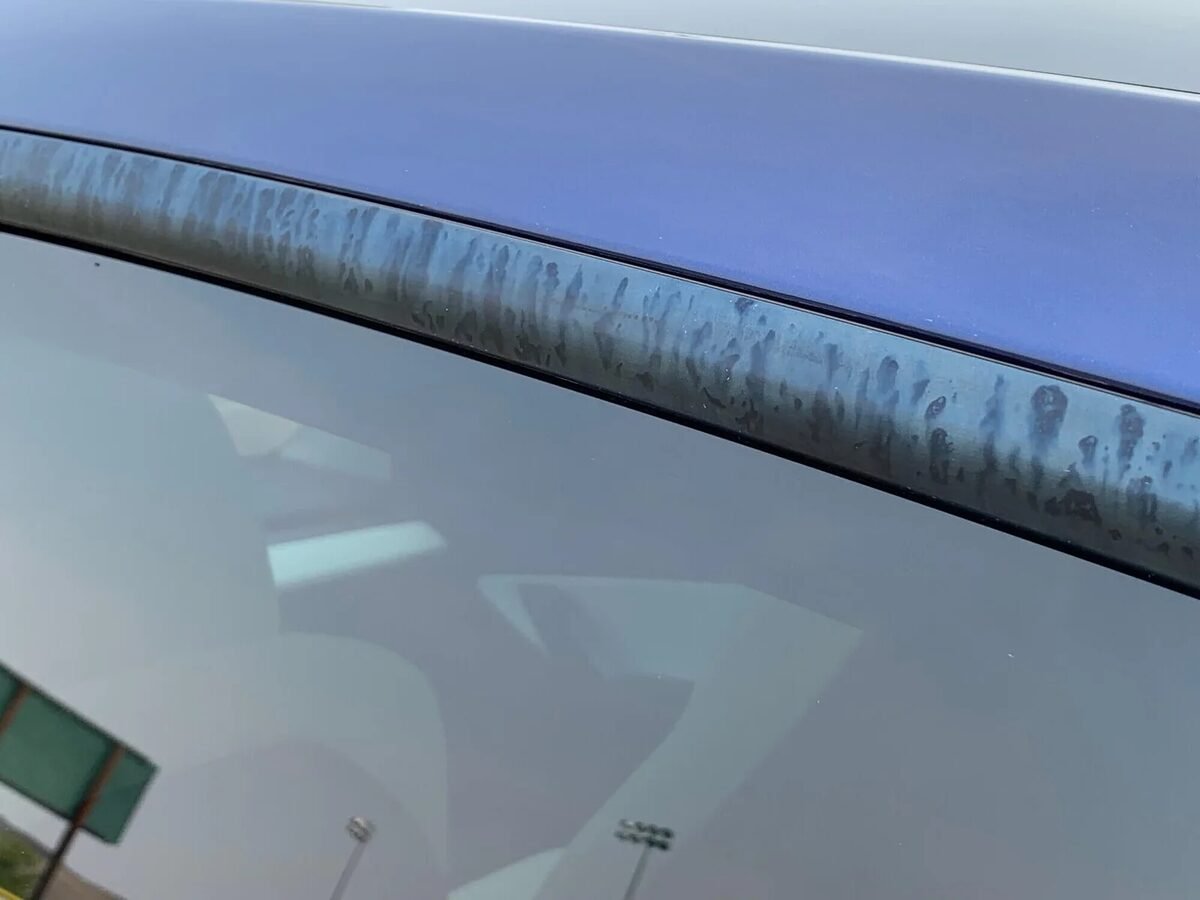
Satin & Dark Chrome Trim
Satin black or dark anodised trim that has become patchy, marked, or has lost its uniform sheen
Satin and dark chrome finishes are particularly unforgiving of incorrect cleaning. Standard polishes, dressings, and wax products designed for gloss paint will leave high-gloss patches on a satin finish that cannot easily be undone. Water spots and fingerprints show more on dark satin trim than almost any other finish.
Soft Top Mould & Algae
Green or black growth on the fabric roof, particularly in the folds and along the rear seam
Convertible soft tops are porous and hold moisture in the fabric fibres, making them ideal conditions for algae and mould growth. It accumulates fastest in folds and at the rear where drainage is poorest. Left untreated, mould growth weakens the fabric stitching over time and can work its way into the seams. Standard car shampoo does not penetrate deeply enough to remove it properly.
Door & Window Seals
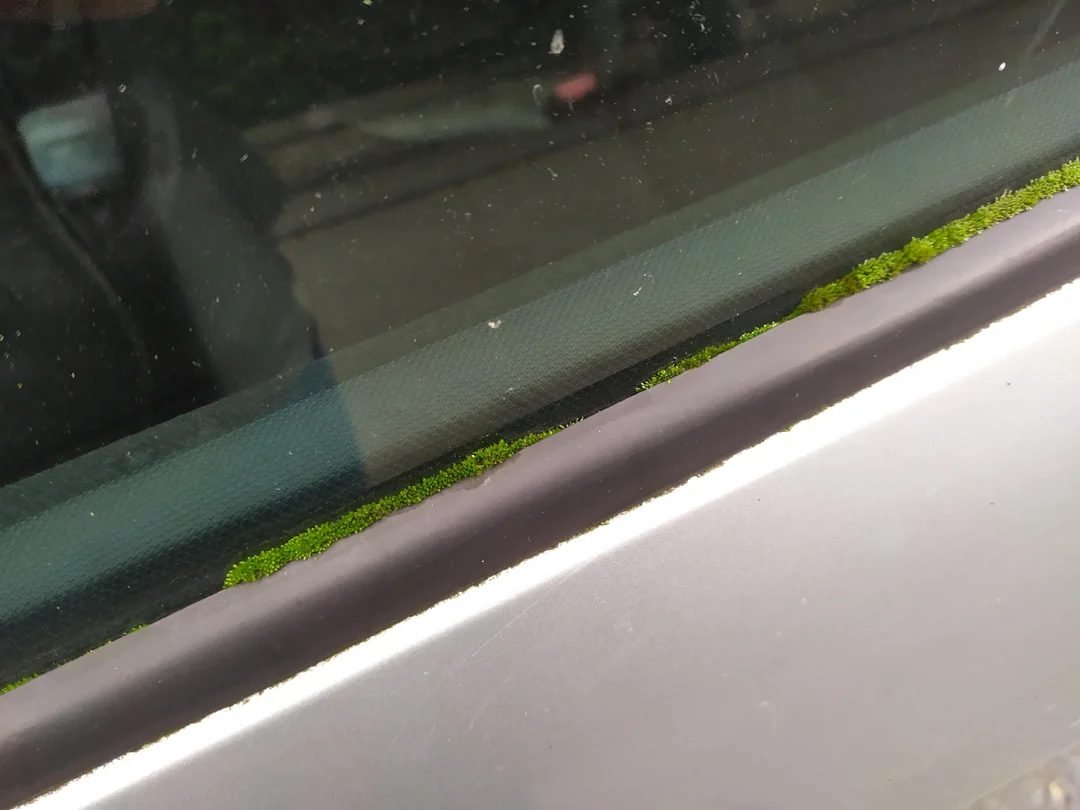
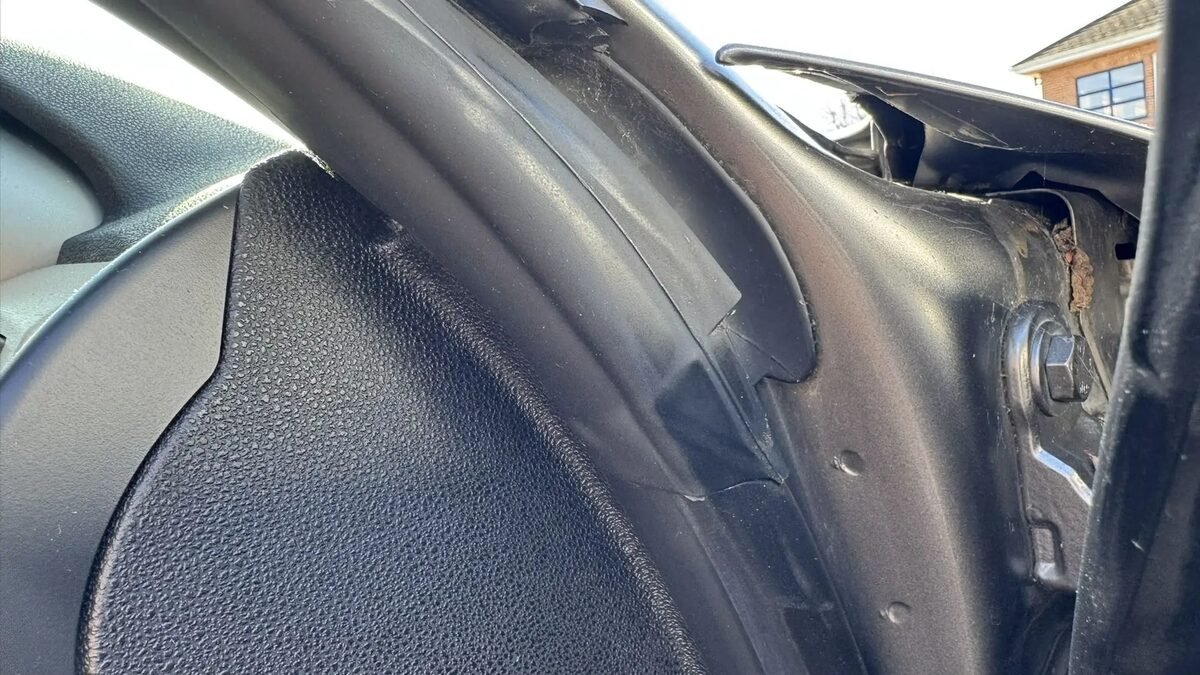
Rubber seals that have hardened, cracked, or turned grey, with algae growth in the channels
Door seals dry out and lose their flexibility over time, particularly on cars parked outdoors. Hardened seals compress less effectively and allow wind noise and water ingress at speed. Algae and grime builds in the seal channels and accelerates deterioration. A squeaking or stiff door is often an early sign that the seals need attention.
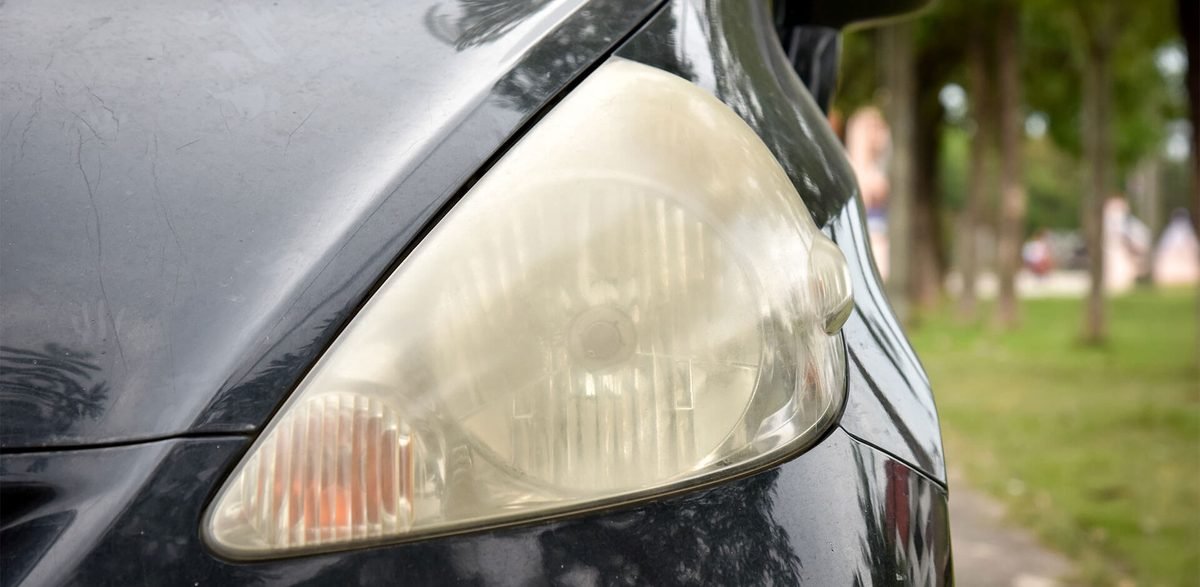
Yellowed Headlights
Headlight lenses that appear yellow, milky, or hazy rather than clear
Modern headlight lenses are polycarbonate with a UV-protective coating. Once that coating breaks down, the plastic oxidises and turns yellow and cloudy. Beyond the appearance, it measurably reduces the amount of light reaching the road. Badly oxidised lenses can be an MOT advisory and over time may become a failure point. Headlights facing south are always worst affected.
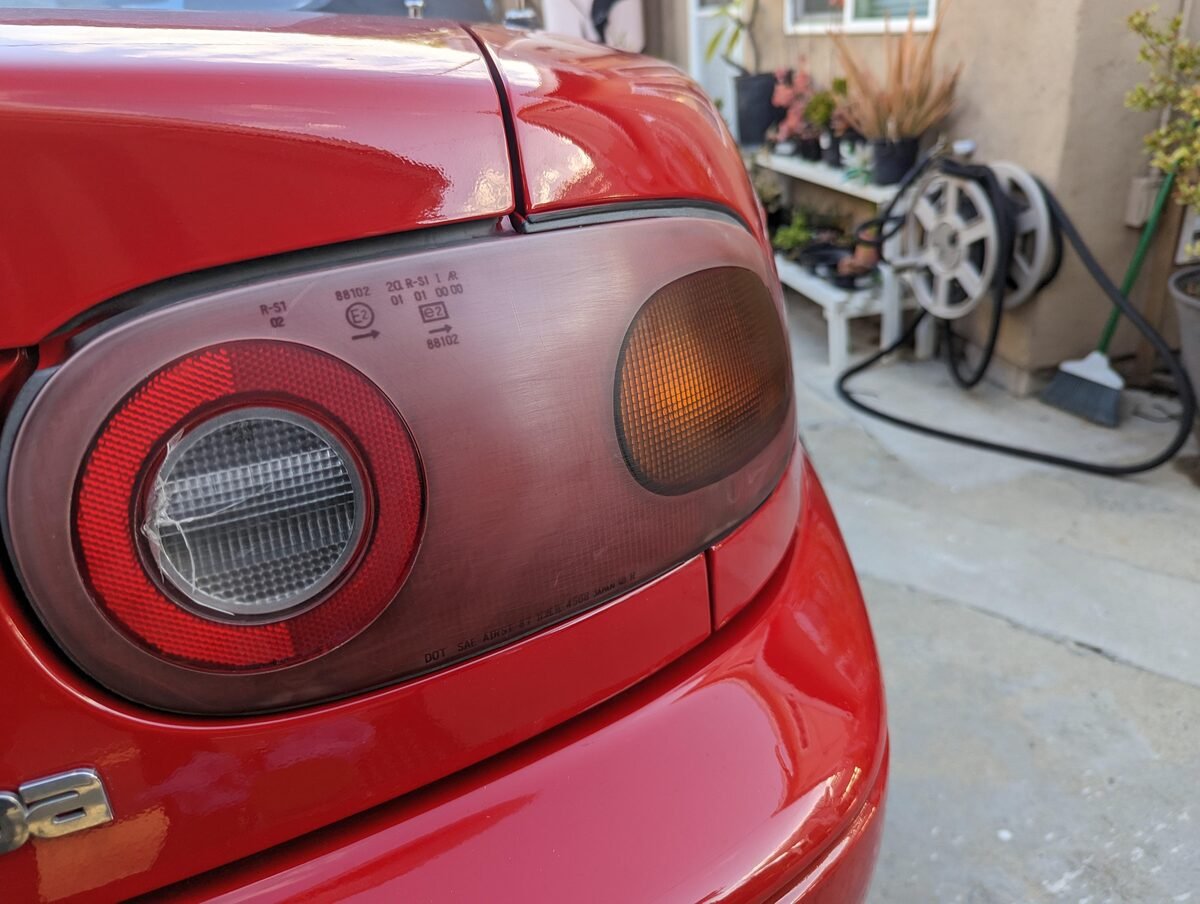
Cloudy Rear Lenses
Reversing lights, fog lights, or indicator lenses that have become scratched, scuffed, or cloudy
Rear lenses collect fine scratches from road debris and car washes over time, giving them a hazy appearance rather than a clear finish. Fog lights positioned low on the bumper are particularly vulnerable to stone chips and grit. Light surface scratching on plastic lenses can often be polished out, while deep scratches or cracked lenses need replacing.