Resources
INTERIOR CARE GUIDE
Use the filter to identify what your interior needs, from fabric seat stains to persistent odours. Find out which service addresses it properly.
Filter by area
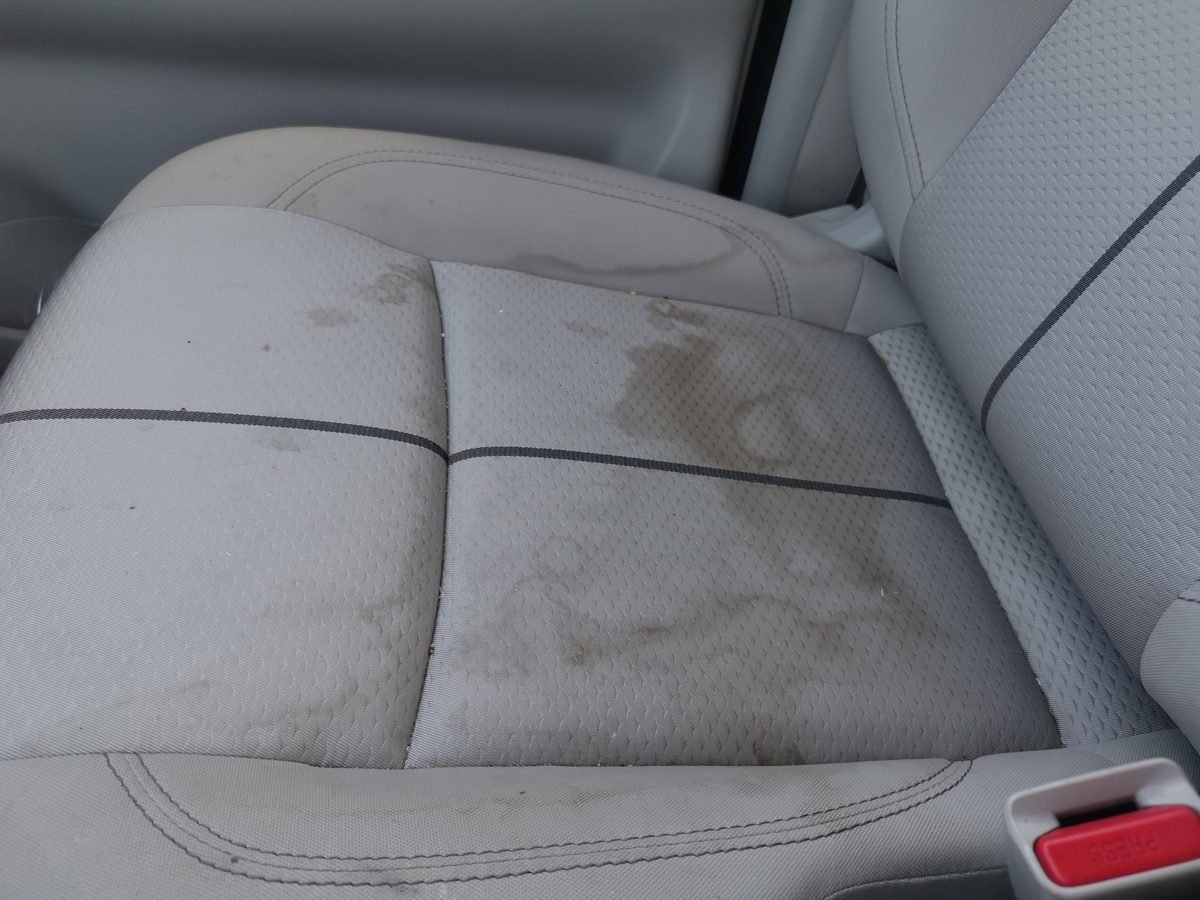
Fabric Seat Stains
Dark patches, tide marks, or discolouration on fabric or cloth seats
Spills, body oils, and general use build up in seat fabric over time. Coffee, fizzy drinks, and food residue soak through the surface fabric into the foam beneath, which is why blotting the surface only partially deals with the problem. Old stains that have dried are harder to lift than fresh ones but are rarely permanent with the right equipment.
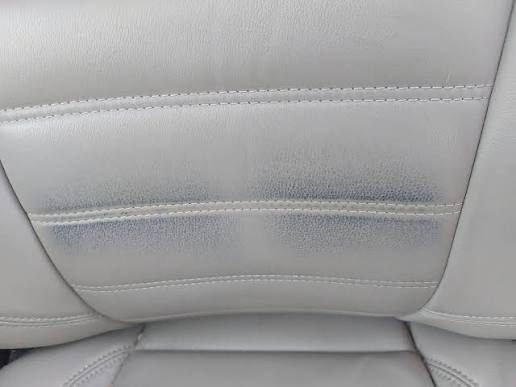
Leather Grime & Dye Transfer
Darkened, shiny patches on the driver's bolster and headrest, or blue tinting on light leather from jeans
Leather absorbs body oils and dye from clothing gradually, darkening the most-used areas and leaving a shiny, greasy feel. Dye transfer from dark jeans onto light leather is a common and particularly visible form of this. The longer it is left, the deeper the dye bonds into the leather grain. Household wet wipes and cleaning products can actually accelerate drying and cracking.
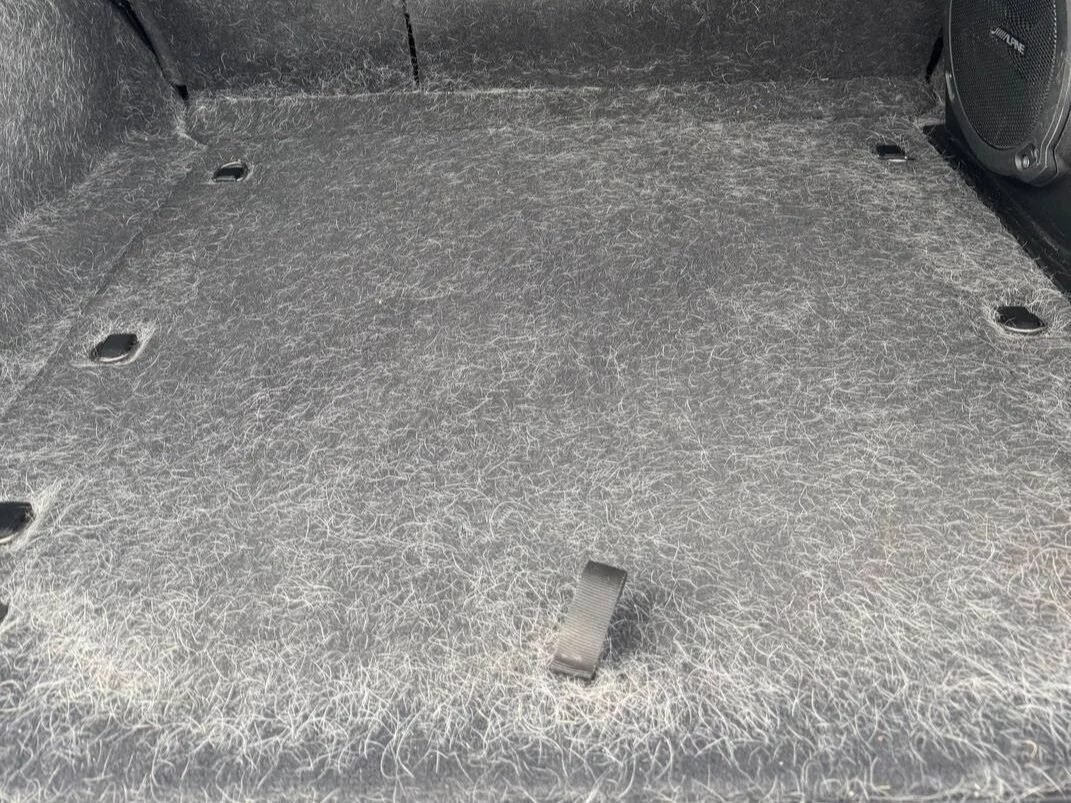
Pet Hair
Hair woven into seat fabric and headrests that a normal vacuum cannot shift
Pet hair weaves itself into fabric fibres rather than sitting on top of them, which is why a household vacuum makes little impression. The longer it stays, the deeper it embeds, and it carries dander and odour with it. Boot areas and rear seats are most commonly affected, but hair works its way forward over time.
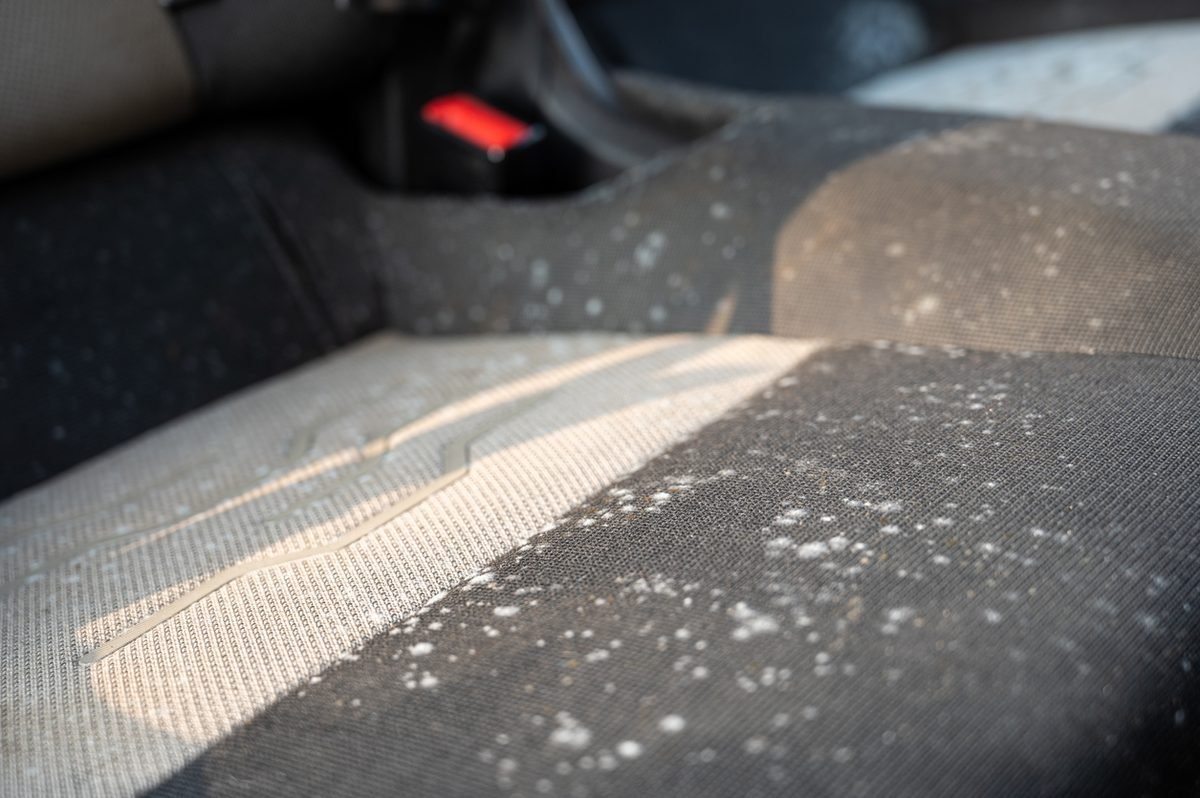
Mould on Seats
White, green, or black spots on seat fabric or leather, often accompanied by a musty smell
Mould establishes itself when moisture is trapped in the interior for an extended period, typically after a leak, flooding, or a car left unused through winter with damp inside. It spreads through spores, so visible patches represent the surface of a more widespread problem. Wiping it with a cloth spreads spores rather than removing them.
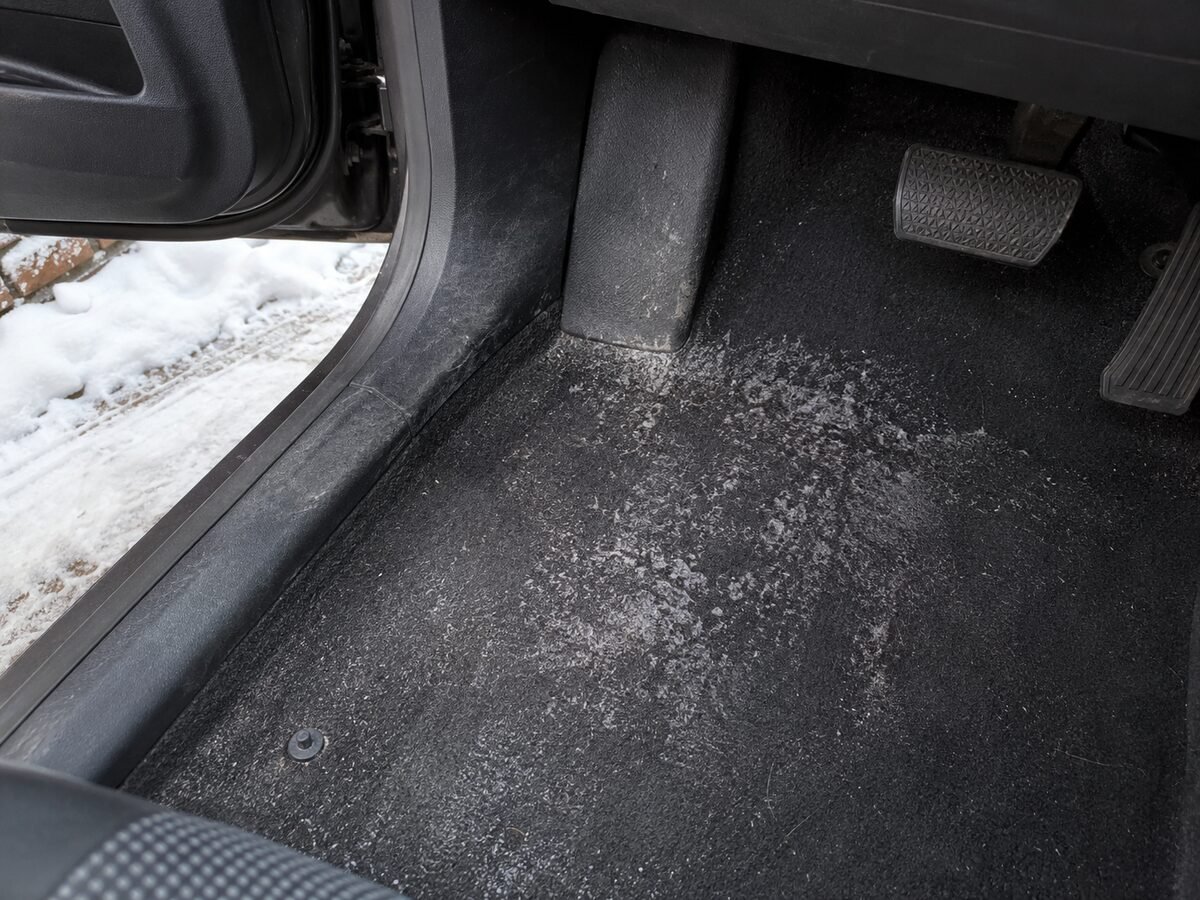
Carpet Stains & Soiling
Dark soiling, mud ingress, or visible staining on the footwell carpet and mats
Footwell carpets take the heaviest punishment of any interior surface. Mud, grit, road salt, and wet footwear work their way deep into the carpet pile and into the backing beneath. Surface vacuuming lifts loose material but leaves embedded soiling and salt residue that continues to degrade the carpet backing over time.
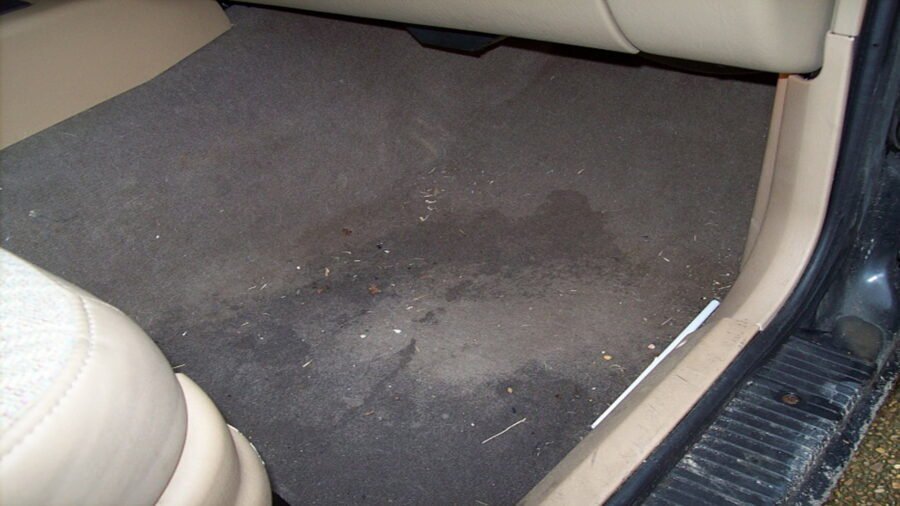
Damp or Wet Carpet
Carpet feels wet or spongy underfoot, condensation inside the car, or a persistent damp smell
Damp carpet is always a symptom of something else, a water leak from a door seal, sunroof drain, or windscreen seal, or less commonly a heater matrix issue. The carpet itself can be dried and treated, but if the source is not found, it will become damp again and mould will develop in the foam beneath. Damp interiors can also cause electrical faults over time.
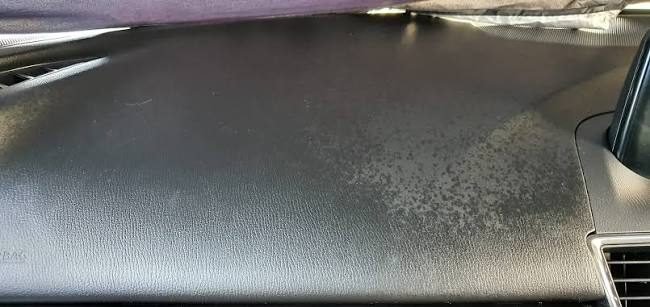
Dashboard & Trim Grime
Sticky or greasy film on the dashboard, door cards, centre console, and air vents
Interior plastics accumulate a film of skin oils, airborne grease from cooking and food, and residue from air fresheners. The result is a tacky surface that holds dust and makes the interior feel unclean even after a quick wipe. UV through the windscreen also degrades unprotected plastics, causing fading and cracking over time.
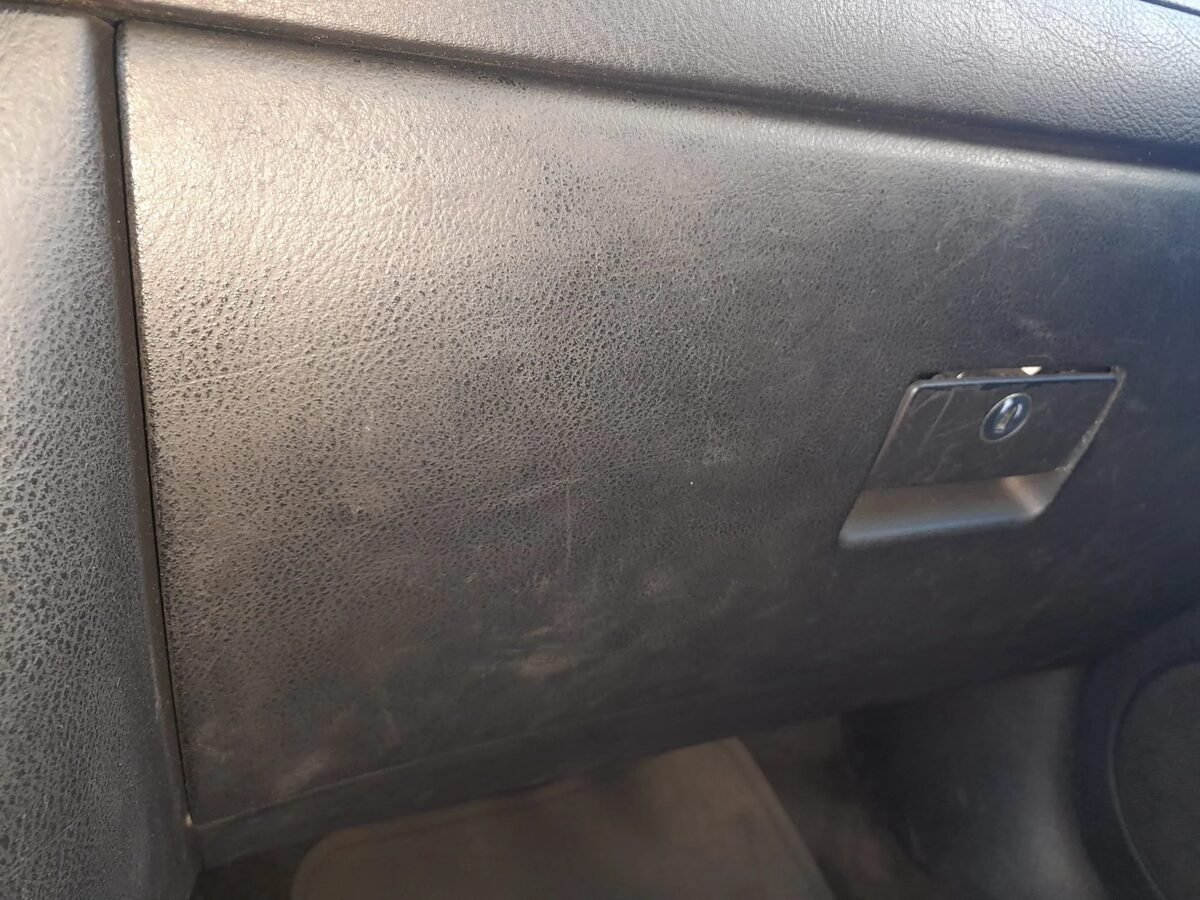
Faded or Scratched Trim
Interior plastics looking grey, chalky, or covered in fine surface scratches from daily use
Interior trim fades through UV exposure and oxidises without regular protection. High-touch areas on door cards, the steering column, and around controls also pick up fine scratches from rings, watches, and general contact over years of use. The result is an interior that looks dated even when clean.
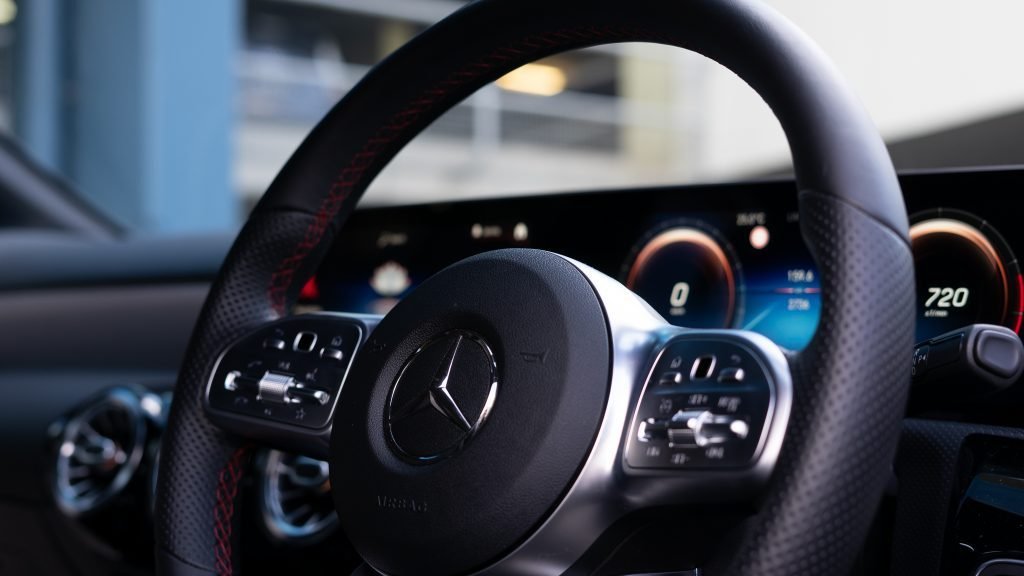
Steering Wheel
Shiny, greasy surface on the rim, or discolouration and wear marks at the main grip positions
The steering wheel is the most frequently touched surface in the car. Hands transfer oils, moisturiser, sun cream, and everyday grime with every journey, building into a greasy film that makes the wheel slippery and uncomfortable. Leather-wrapped wheels are particularly affected as the oils darken the grain and degrade the finish over time. Alcantara or suede-trimmed wheels attract dirt and matting instead.
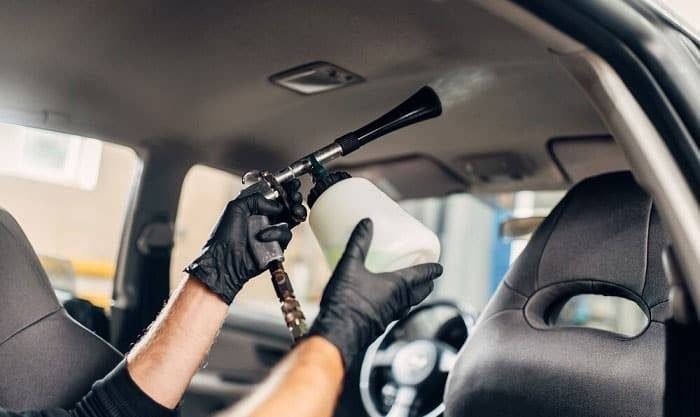
Headliner (Roof Lining)
Stains, fingerprints, or grey marks on the fabric roof lining, or sections starting to sag
The headliner is a thin fabric bonded to foam on the roof panel. It collects fingerprints from getting in and out of the car, smoke residue, and general airborne grime. Because it sits above eye level, marks build up unnoticed until the interior is cleaned and the contrast becomes obvious. The adhesive bond weakens with age and heat exposure, causing sagging. Aggressive scrubbing or excessive moisture during cleaning can accelerate this or cause the fabric to separate from the backing entirely.
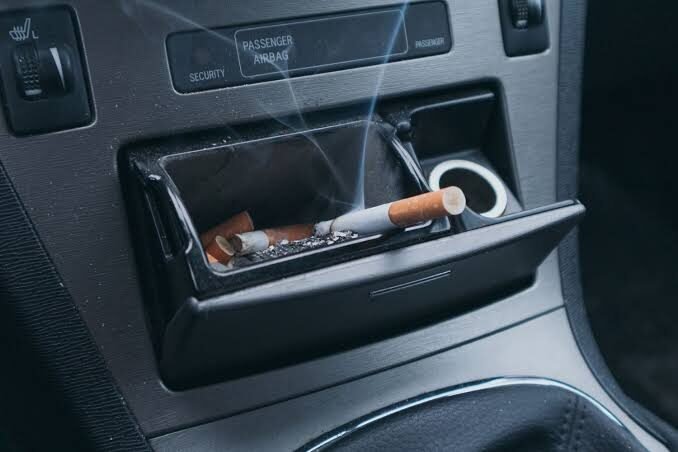
Smoke Smell
Persistent cigarette or vape smell that air fresheners mask but do not remove
Smoke penetrates every porous surface in the interior, fabric seats, carpets, headlining, plastics, and even the ventilation system. Air fresheners cover the smell temporarily but the source remains. Smoke smell is one of the harder odours to fully eliminate because it saturates so many surfaces simultaneously, and it significantly affects resale value.
Damp or Musty Smell
Musty or earthy smell that is worse when the heater runs, or after rain
A musty smell almost always means moisture has penetrated into the foam beneath seats or carpet and bacteria has established itself there. Surface cleaning does not reach the source. The smell intensifying when the heater runs is a common sign, since warm air circulating through a damp interior amplifies the odour. It also indicates mould is likely present whether visible or not.