Resources
WHAT'S THAT MARK ON MY CAR?
Spotted something on your paintwork, wheels, glass, or interior? Use the filters to identify it, find out whether it's safe to deal with yourself, and see how to fix it properly.
Where is the mark?
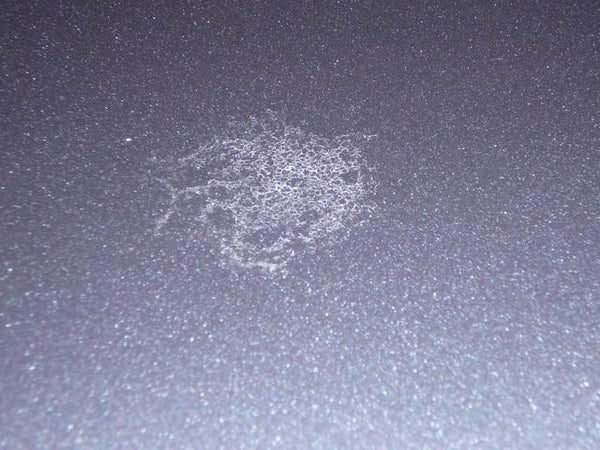
Bird Droppings
White or grey splodges, sometimes with a dull ring left behind after removal
Bird droppings contain uric acid that eats into clear coat, and the damage accelerates dramatically on warm paint. A dropping left in summer sun can begin etching within hours. If you can see a dull outline where a dropping used to be, it has already etched into the surface.
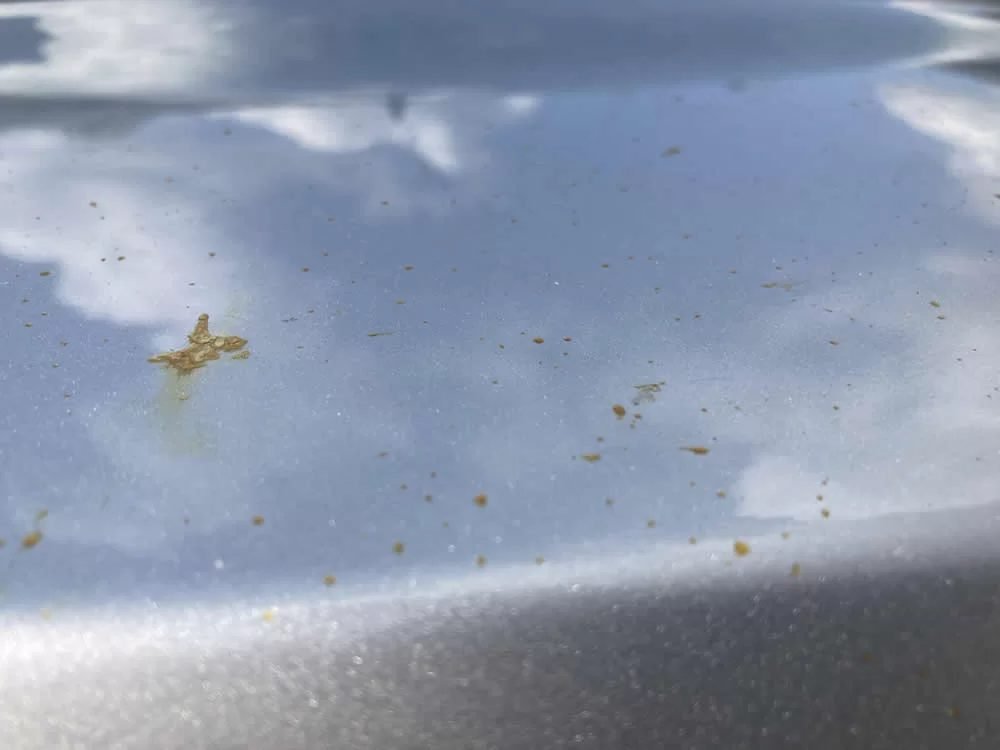
Tree Sap
Sticky amber or clear droplets, hardening to a stubborn shiny spot over time
Common on cars parked under trees, especially in spring and summer. Fresh sap is sticky and relatively easy to shift, but it hardens quickly in warm weather and bonds to the surface, and hardened sap can pull at clear coat if picked or scraped off.
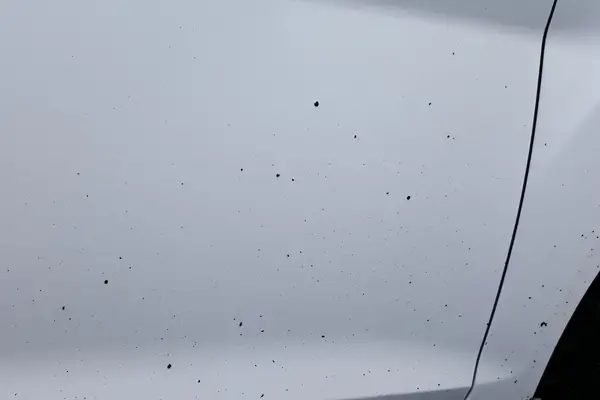
Tar Spots
Small black sticky dots along the lower panels, sills, and behind the wheels
Flicked up from warm road surfaces, especially fresh tarmac in summer. Tar sits on top of the paint rather than etching into it, so it is not urgent, but it will not wash off with shampoo and it attracts and holds other grime around it.
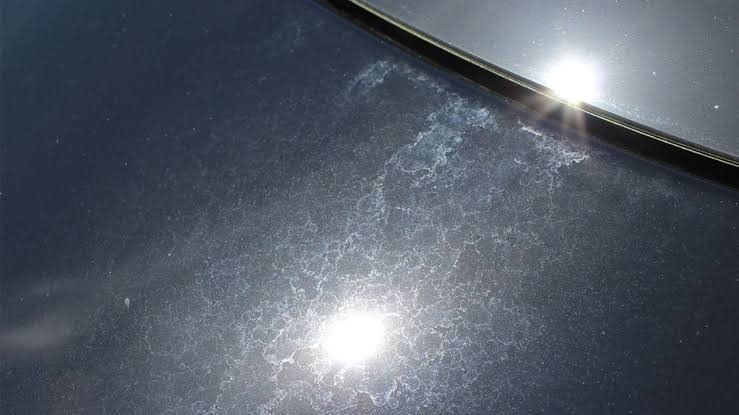
Water Spots
White chalky rings or spots, most visible on dark paint and glass
Left behind when water evaporates on the surface, depositing the minerals it was carrying. Common after rain on a dusty car, sprinklers, or washing in direct sun. Fresh spots sit on the surface, but under heat the minerals etch into clear coat and become permanent marks. Hard water areas like ours make this worse.
Brake Dust
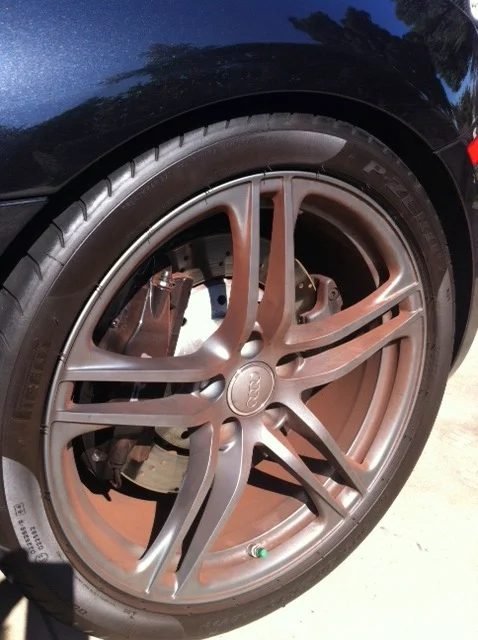
Dark grey or black film coating the wheel face, heaviest around the spokes
Every time you brake, tiny particles of hot metal and friction material spray onto your wheels. It looks like dirt but behaves like metal, bonding to the wheel finish and corroding lacquer if left to build up. Front wheels always collect more than rears.
Iron Fallout
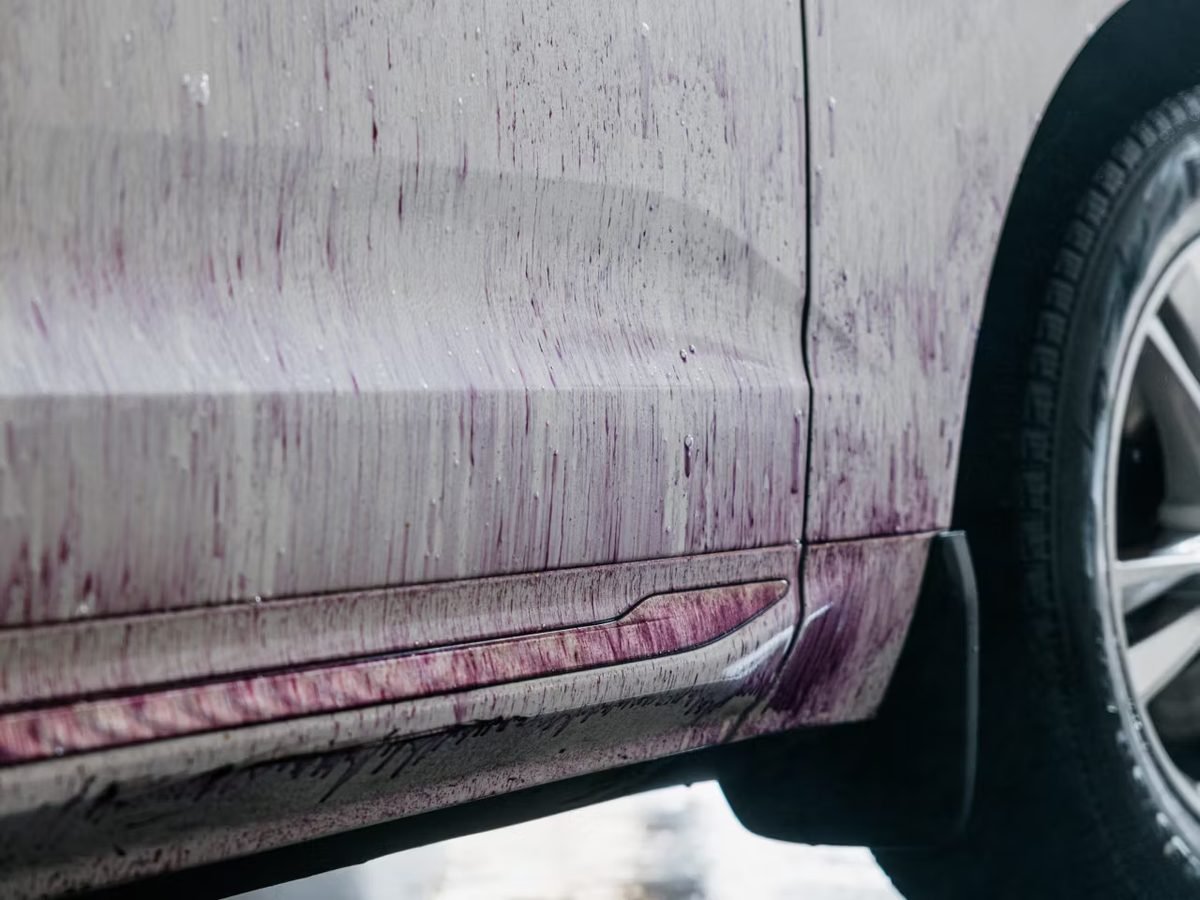
Tiny orange or brown specks, paint feels rough like fine sandpaper
Microscopic particles of hot metal from brake dust, rail lines, and industrial sources that embed themselves in paint and begin to rust. Most visible on white and light-coloured cars as orange speckling. If your paint feels gritty after washing, this is usually why.
Pollen
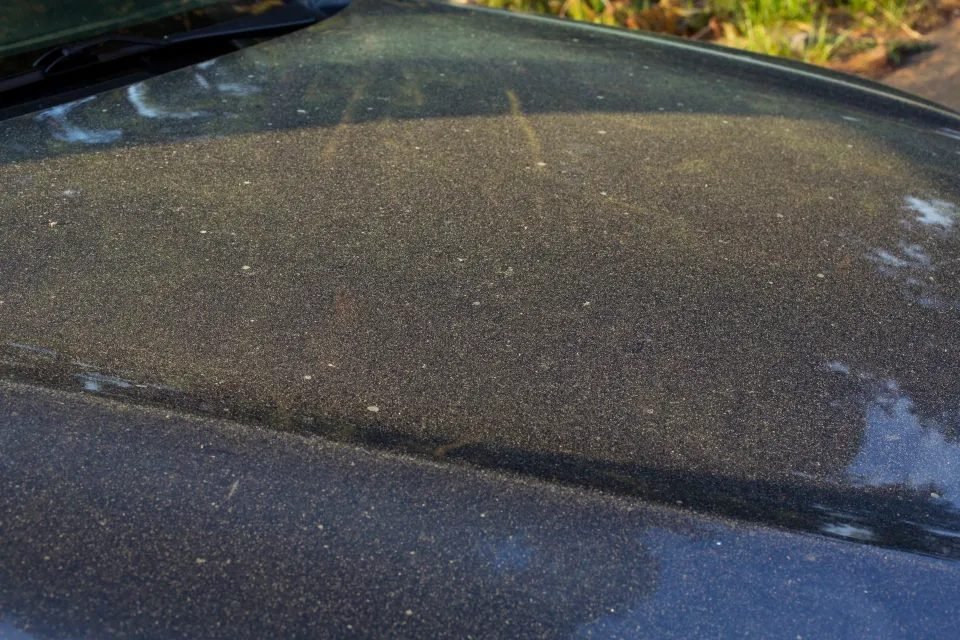
Fine yellow or green dust film, sometimes streaking after light rain
Seasonal but surprisingly aggressive. On a hot day pollen effectively bakes onto paintwork, and some tree pollens are mildly acidic, staining light-coloured cars with a yellow tint if left through the season. Rain on a pollen-covered car creates streaks that bond as they dry.
Swirl Marks
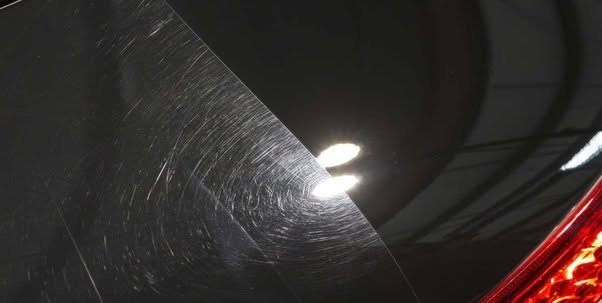
Fine spiderweb scratches visible under direct sun, paint looks dull or hazy
A dense network of tiny scratches in the clear coat, almost always caused by automated car washes or poor washing technique over time. They scatter light instead of reflecting it, which is why swirled paint looks flat rather than glossy even when clean.
Bug Splatter
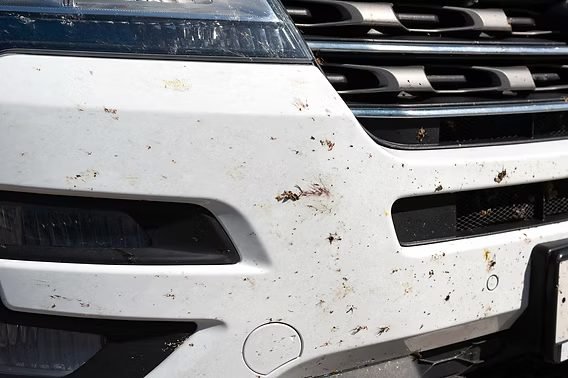
Dried dark spots and smears across the bumper, bonnet edge, mirrors, and windscreen
Insect remains are acidic and bond hard to paint as they dry, especially after motorway driving in summer. Left for weeks in heat, they can etch outlines into clear coat the same way bird droppings do, just more gradually.
Road Salt
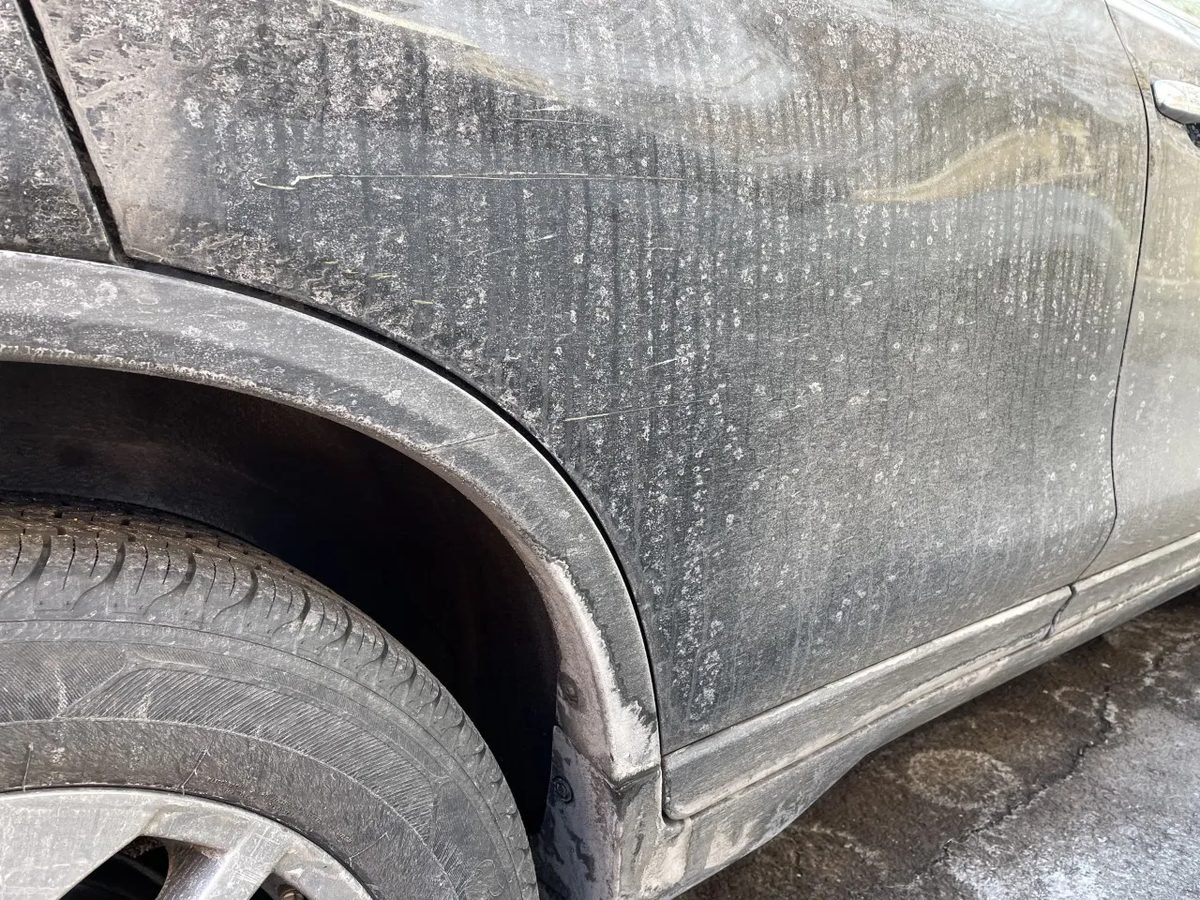
White crusty film on lower panels, sills, wheels, and arches through winter
Road salt is highly corrosive and does its worst damage where you cannot see it, inside arches, on brake lines, and along the underbody. It draws in moisture and keeps metal damp, accelerating rust significantly. The white film on your paint is the visible warning sign of what is happening underneath.
Drink & Food Stains
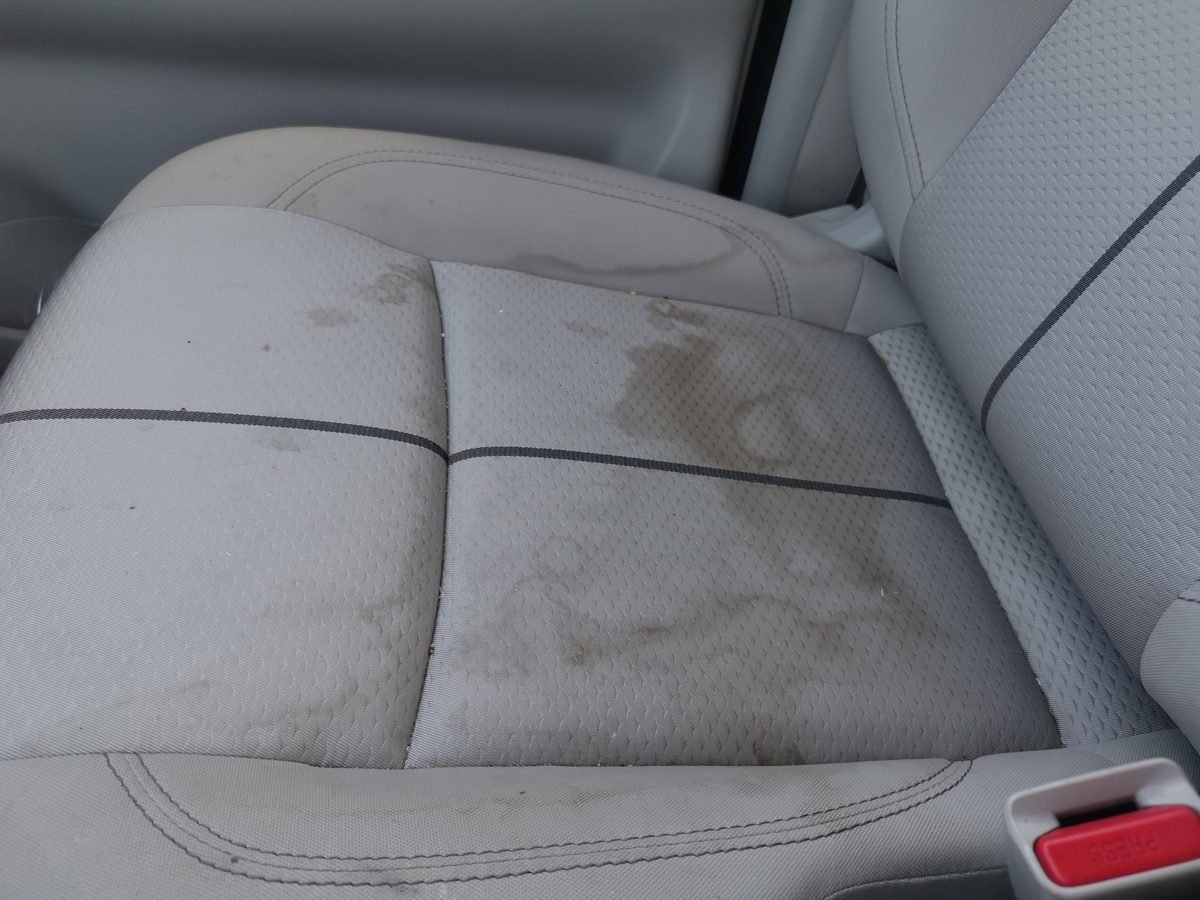
Dark rings or patches on seats and carpets, often with a lingering smell
Coffee, fizzy drinks, and milk-based spills soak into fabric and foam quickly, and blotting the surface only deals with what you can see. Sugars feed bacteria, which is why old spills develop a sour smell, and milk in particular turns unpleasant fast in a warm car.
Pet Hair
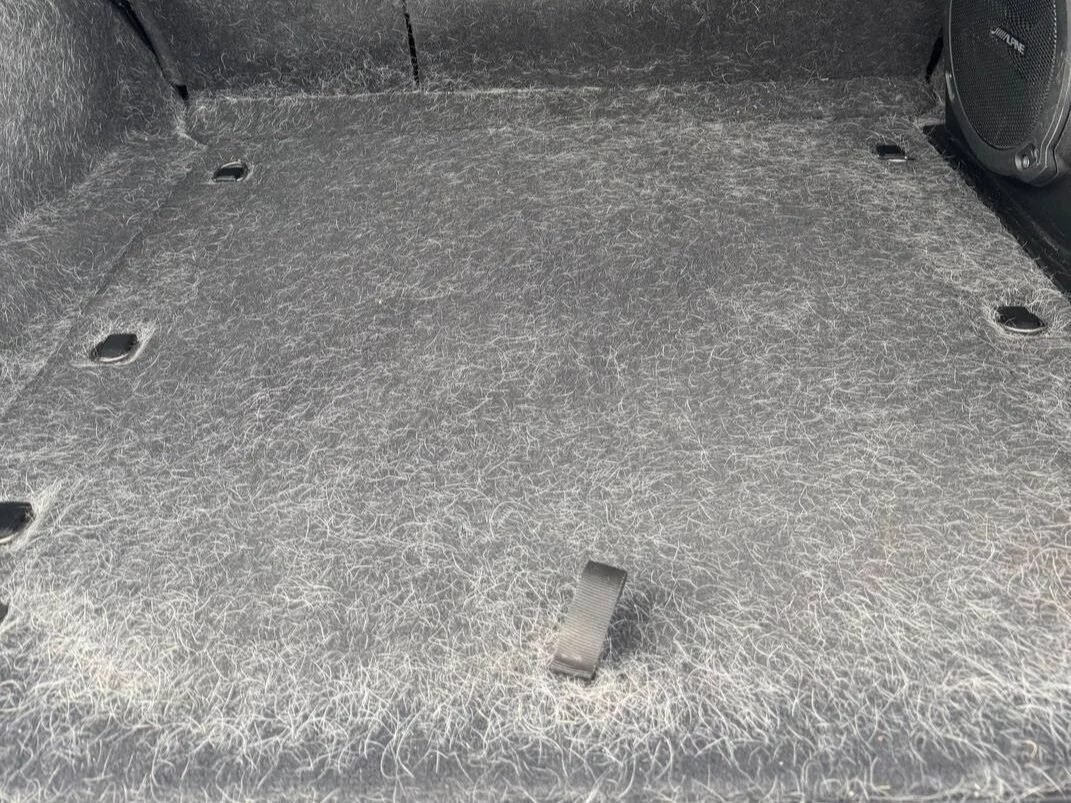
Hair woven into carpet and seat fibres that a normal vacuum will not lift
Pet hair does not just sit on fabric, it weaves itself into the fibres, which is why household vacuums barely touch it. The longer it stays, the deeper it works in, and it carries dander and odour with it.
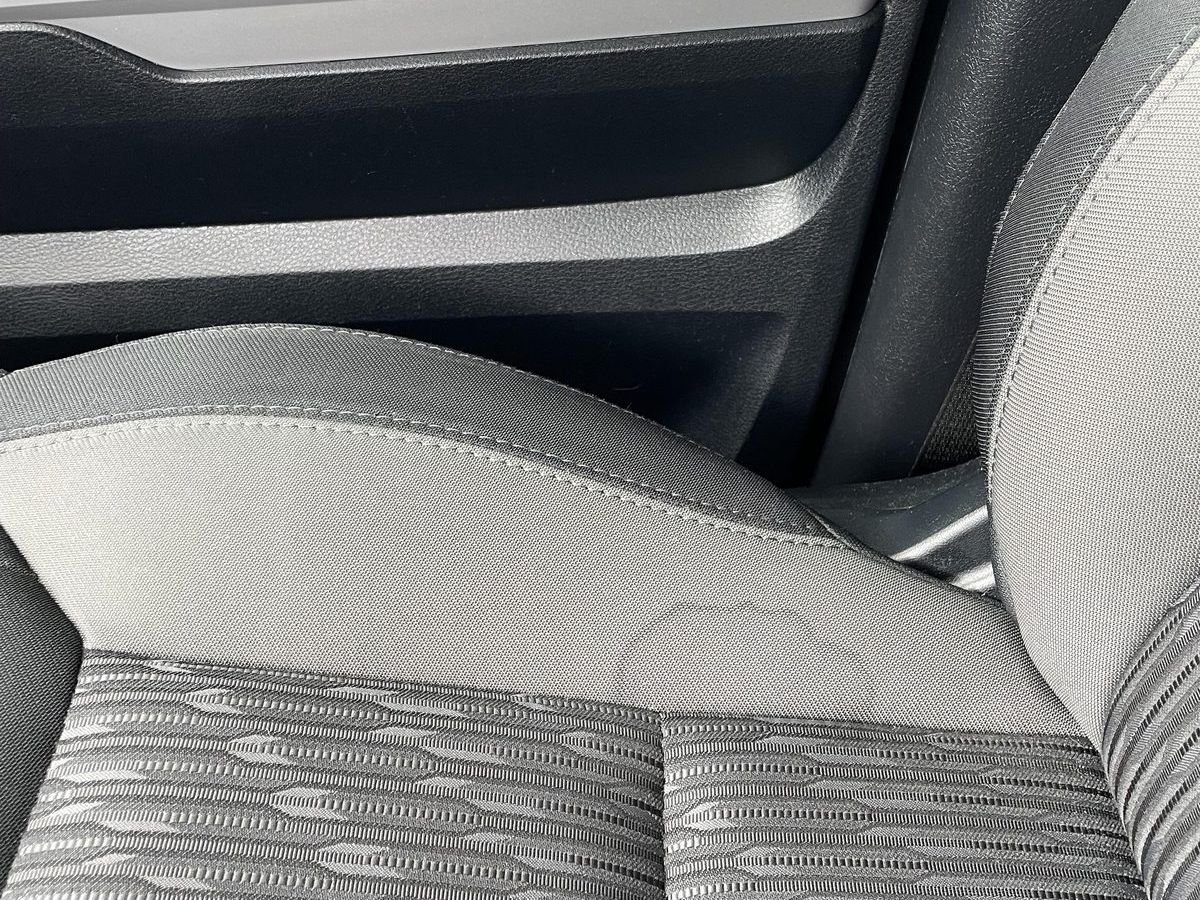
Water Stains & Tide Marks
Pale rings or cloudy patches on seat fabric, often from previous cleaning attempts
Ironically, many seat stains are caused by cleaning. Scrubbing a spill with water and household products pushes moisture into the foam, and as it dries unevenly it draws dirt and residue to the edges, leaving a ring that looks worse than the original mark.
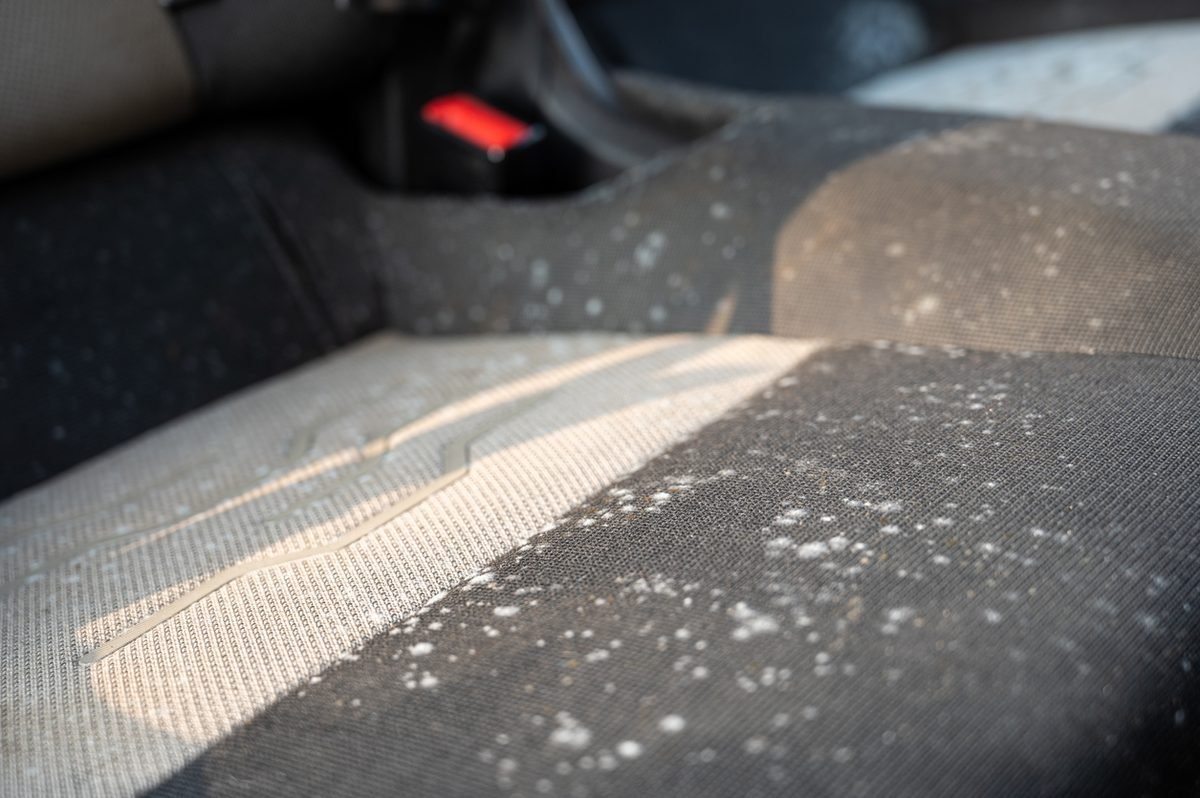
Mould & Mildew
White, green, or black spots on seats, trim, or seatbelts, with a musty smell
Mould takes hold in cars that have been left damp, from a leak, wet clothes, or simply being parked up unused through winter. It spreads through spores, so a few visible spots usually means it is more widespread than it looks, and it is genuinely bad for the air you breathe while driving.
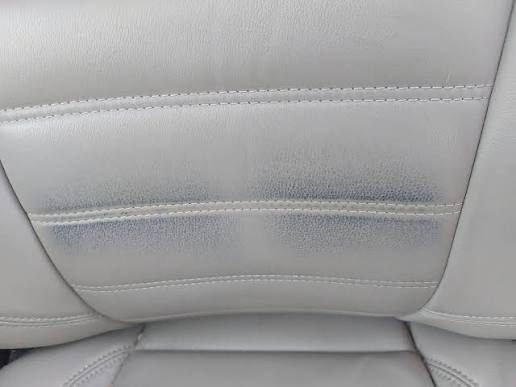
Leather Grime & Dye Transfer
Darkened, shiny patches on light leather, or blue tinting from jeans on driver's seats
Leather picks up body oils, grease, and dirt gradually, building a darkened, shiny layer on the most-used areas, the steering wheel, driver's bolster, and armrests. Light leather also absorbs dye from dark clothing, most commonly a blue tint from jeans, which bonds deeper the longer it is left.
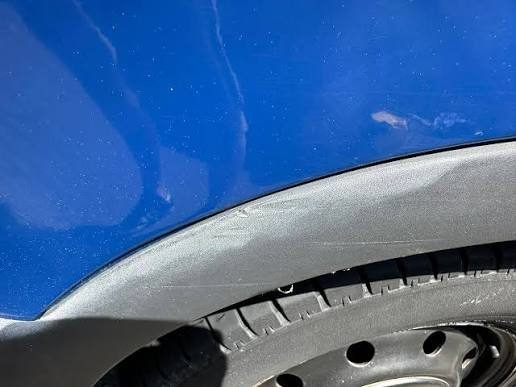
Faded Plastic Trim
Bumper strips, arch trim, and mirror caps that have turned grey and chalky instead of black
Unpainted exterior plastics lose their oils to UV exposure over time, fading from deep black to a washed-out grey. It does not harm the car, but it ages the whole look of it more than almost anything else, a car with faded trim looks tired even when the paint is clean.
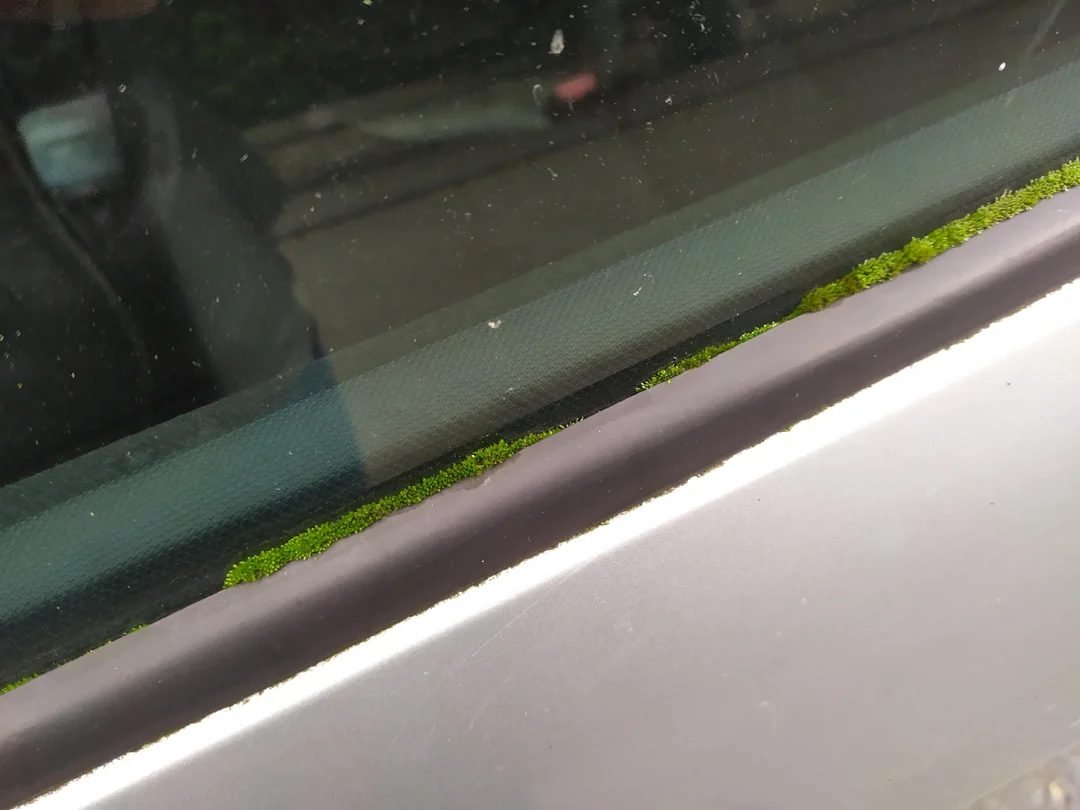
Green Algae & Moss
Green film or growth in window rubbers, seals, panel gaps, and around soft tops
Common on cars parked under trees or in shade, especially through damp UK winters. Algae holds moisture against rubber seals and fabric, degrading them over time, and moss in panel gaps can block drainage channels, which leads to leaks and damp interiors.
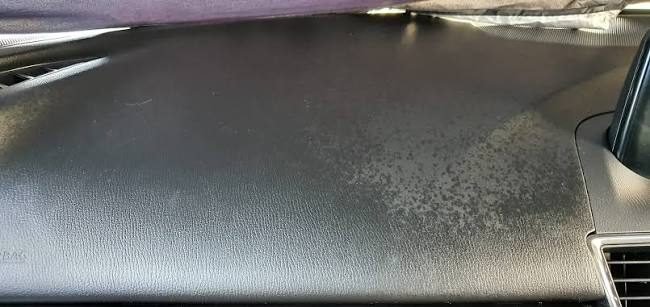
Dashboard & Plastic Grime
Sticky or greasy film on the dash, door cards, and console, dust that returns within days
Interior plastics collect skin oils, air freshener residue, and airborne grease from food and heating systems. The result is a slightly tacky surface film that attracts and holds dust, which is why a quick wipe never seems to last. UV through the windscreen also degrades unprotected dash plastics over time.
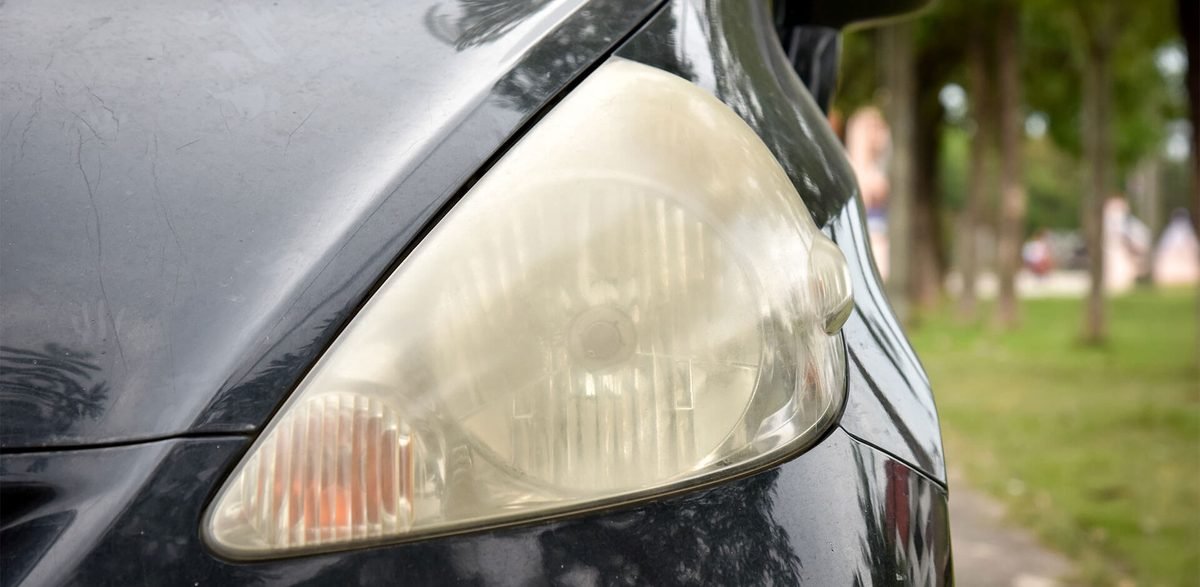
Yellowed Headlights
Cloudy, yellow, or hazy headlight lenses that dull your light output at night
Modern headlight lenses are polycarbonate with a UV protective coating. Once that coating breaks down, the plastic underneath oxidises, turning yellow and cloudy. Beyond looks, it genuinely reduces how much light reaches the road, and badly oxidised lenses can be an MOT advisory.