Resources
PAINT CORRECTION & DEFECT GUIDE
Use the filters to identify what's wrong with your paintwork, how severe it is, and what it takes to put it right.
Filter by defect type
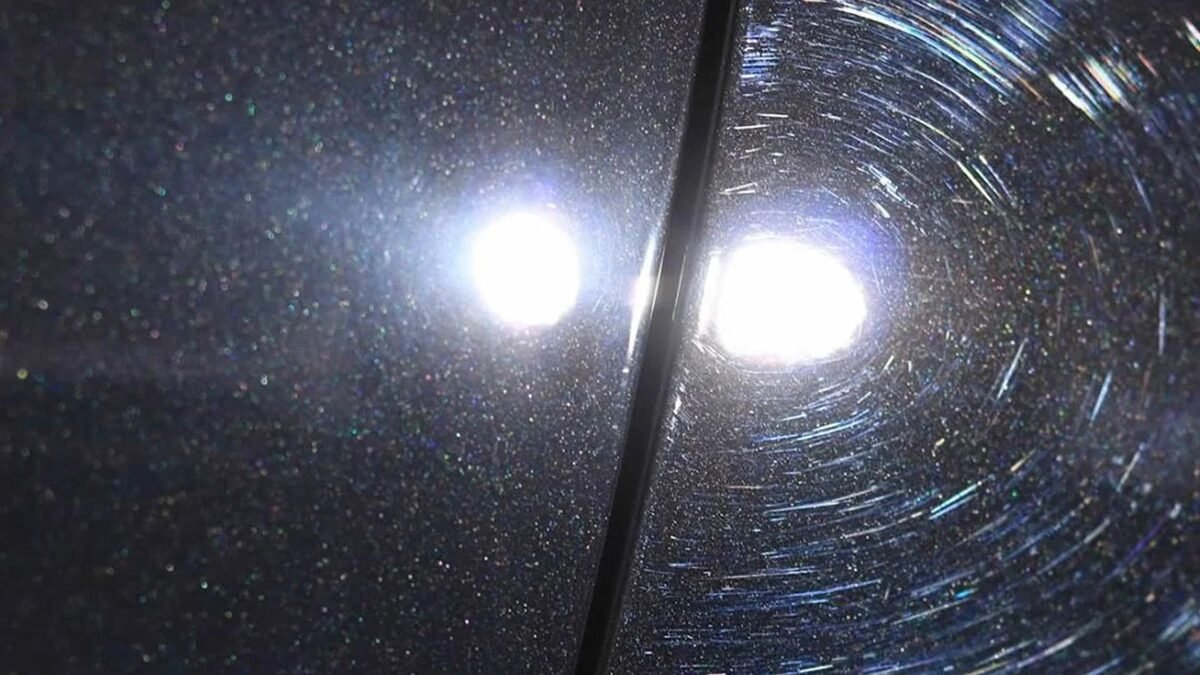
Swirl Marks
Fine spiderweb pattern visible under direct light, paint looks dull or flat
The most common paint defect. Swirl marks are a dense network of microscopic scratches in the clear coat, almost always caused by automated car washes or poor washing and drying technique. They scatter light instead of reflecting it cleanly, giving the paint a hazy appearance even when clean.
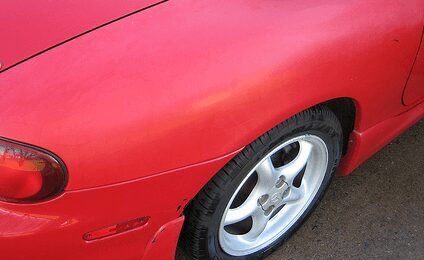
Paint Oxidation
Dull, chalky, or faded paint, especially on horizontal panels and red or dark colours
Oxidation happens when UV breaks down the clear coat over time, causing the paint pigments to fade and the surface to go chalky. Horizontal surfaces like the roof and bonnet are most affected since they face the sun directly. Light oxidation looks merely dull; severe oxidation leaves a chalky residue on your hand when you wipe the panel.
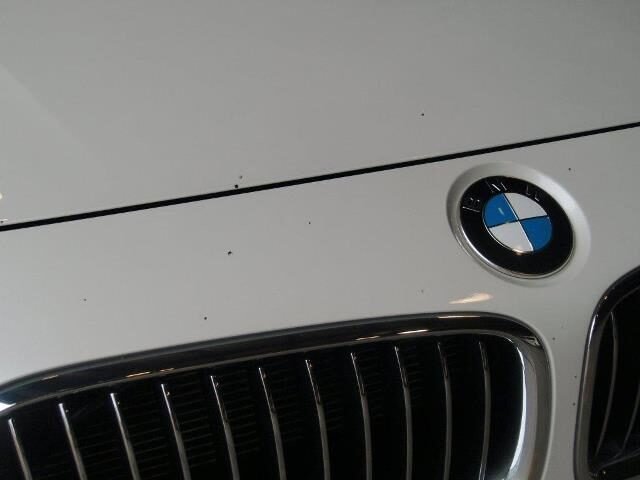
Stone Chips
Small exposed metal or primer dots, concentrated on the bonnet, front bumper, and leading edges
Stone chips are physical impacts from road debris striking the paint at speed. Each chip breaks through the paint layers exposing bare metal or primer underneath. Left unprotected, moisture enters the chip and rust begins, often spreading beneath the surrounding paint before it becomes visible. High-mileage motorway cars and those following lorries closely are most affected.
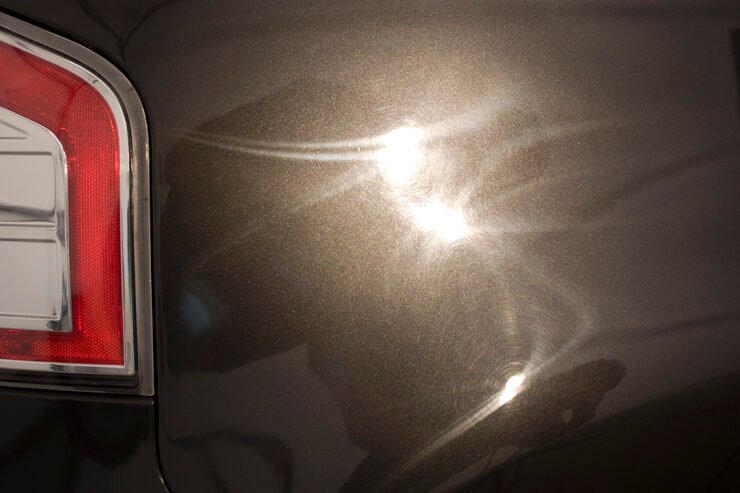
Buffer Trails
Circular or arc-shaped marks visible under direct light, sometimes called holograms or pigtails
Buffer trails are caused by a rotary polisher used incorrectly, with too much speed, the wrong pad, or the wrong compound for the paint. The machine cuts too aggressively in a circular motion, leaving arc-shaped scratches in the clear coat. Ironically, they often appear after a previous attempt at paint correction.
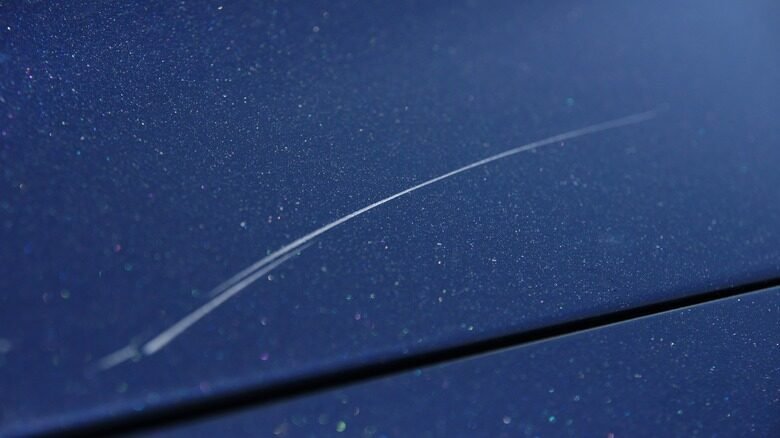
Random Deep Scratches
Isolated scratches that catch fingernails, clearly visible without direct light
Often called RDS, these are scratches caused by specific events rather than cumulative washing damage. Brushing against vegetation, a loose boot lid seal, a careless trolley, or touching the car with jewellery or keys are common causes. The key distinction from swirl marks is that these are individual and run deeper into the clear coat.
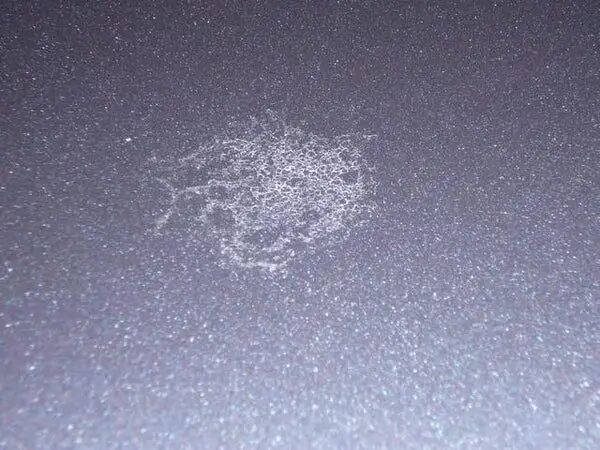
Acid Etching
Dull rings or spots that remain after cleaning, most visible under raking light
Acid etching is physical damage to the clear coat caused by acidic contaminants, most commonly bird droppings, tree sap, and industrial fallout that were left on the paint too long. The acid bites into the clear coat leaving a permanent imprint. Unlike surface contamination, etching cannot be washed off because the damage is in the paint itself.
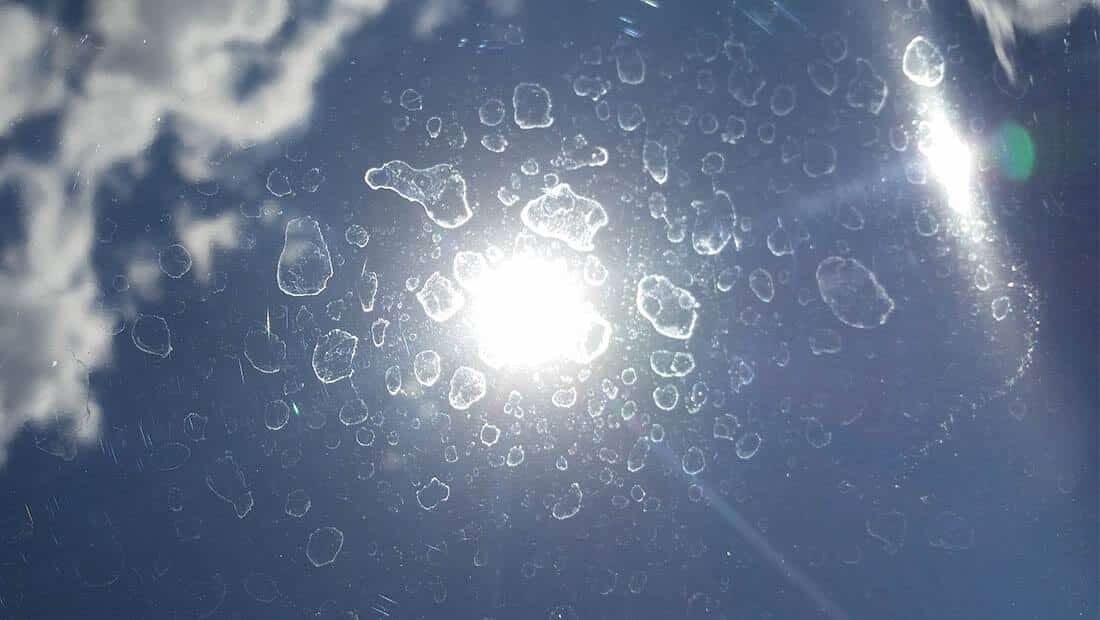
Water Spot Etching
White circular marks that remain after washing, concentrated where water was left to dry in the sun
Water spots start as mineral deposits on the surface but become etching when heat drives the minerals into the clear coat. Hard water areas like Berkshire and South Bucks make this worse since the water carries higher mineral concentrations. Spots that have been baked on repeatedly through summer are often deeper than they look.
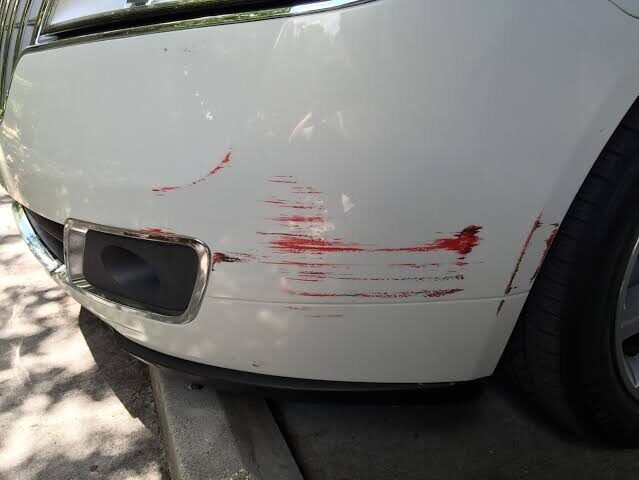
Paint Transfer
A smear or streak of foreign colour on your paint, often from a car park scrape or bollard
Paint transfer happens when another object makes contact with your car and leaves its paint or rubber behind on your surface. It often looks worse than it is, since the transferred material sits on top of your paint rather than scratching through it. The key question is whether the impact also scratched or scuffed the paint underneath.
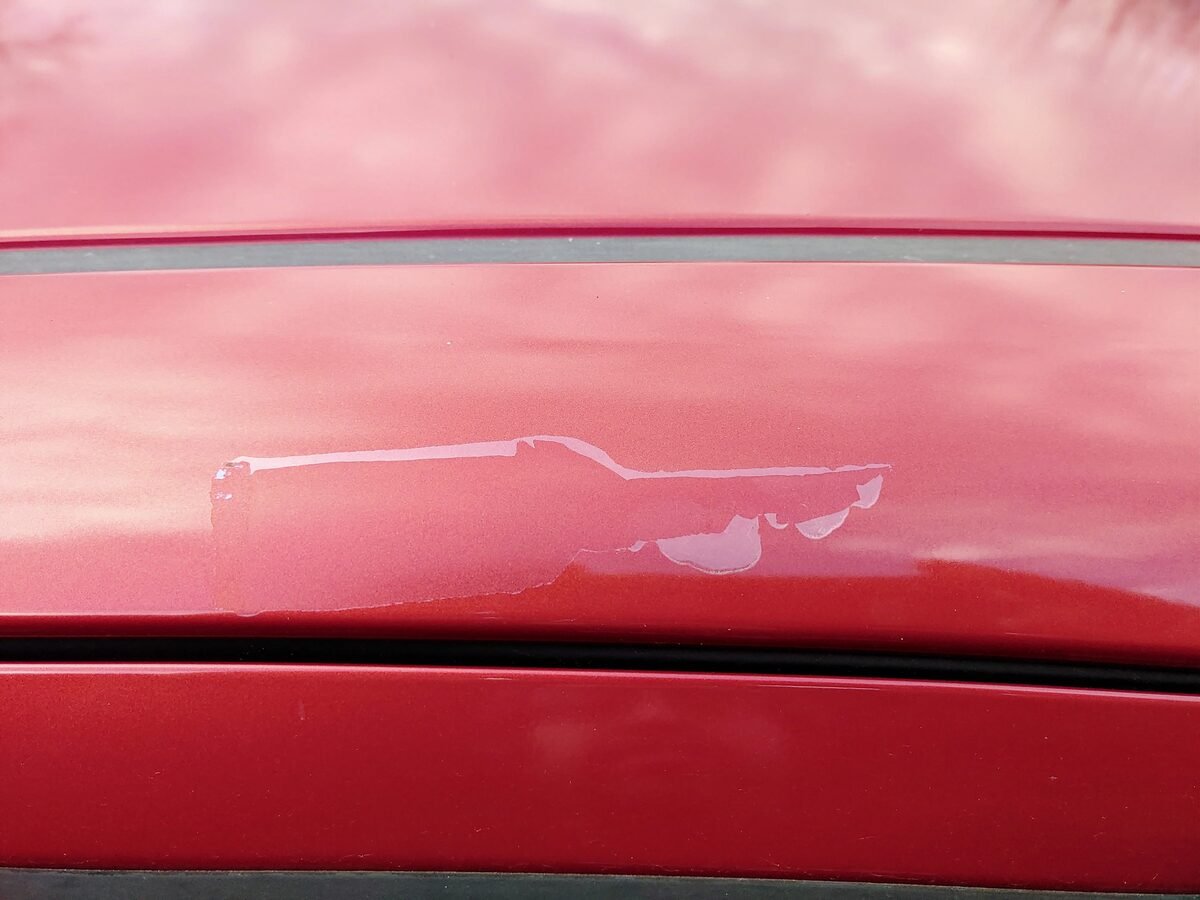
Clear Coat Failure
Paint peeling, flaking, or separating from the panel in sheets or patches
Clear coat failure is the end stage of severe paint degradation. The protective clear layer loses adhesion and begins to lift away from the colour coat beneath. It often starts at panel edges, around badges, or where previous paint damage went unprotected. Once the clear coat is physically separating, no amount of polishing can reattach it.