Resources
TYRE & WHEEL CONDITION GUIDE
Use the filter to check your tyres, alloy wheels, and valve and pressure issues. Know what needs attention before it becomes a safety risk or MOT failure.
Filter by area
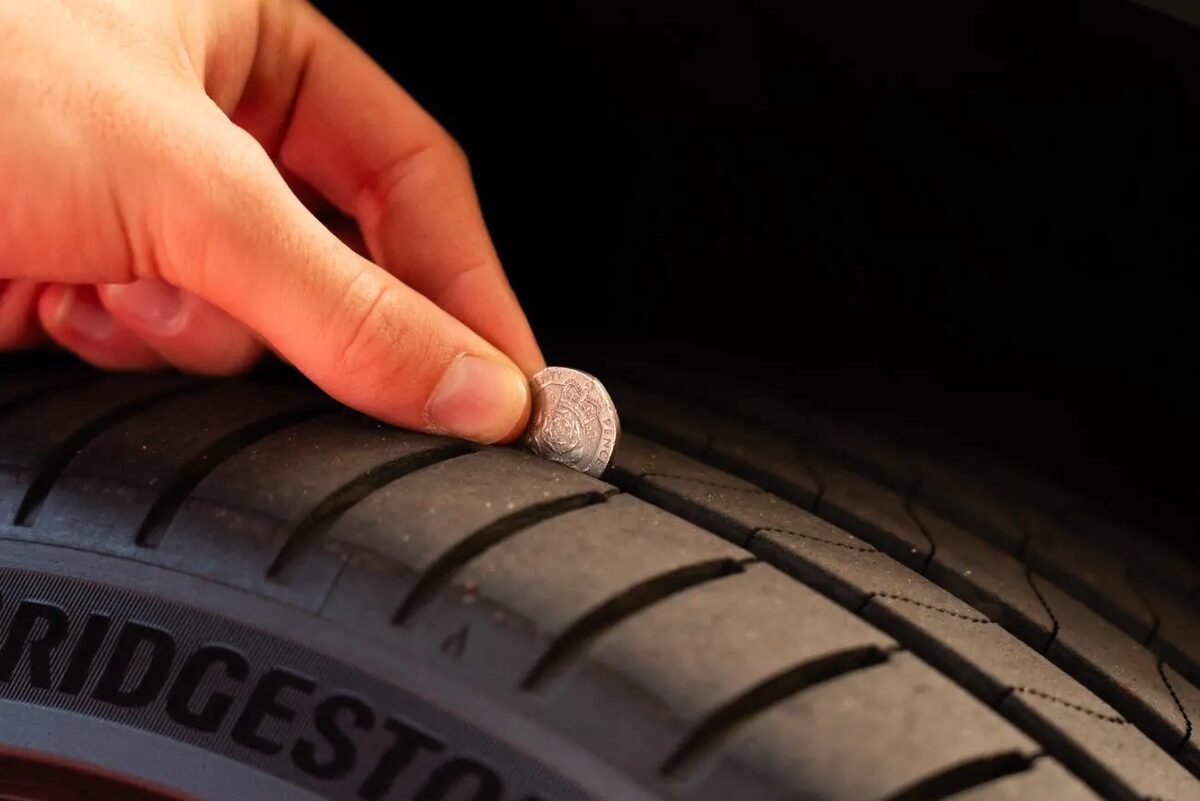
Low Tread Depth
Tread wearing close to the wear indicator bars moulded into the grooves
The legal minimum in the UK is 1.6mm across the central three-quarters of the tyre. Most manufacturers recommend replacing at 3mm since stopping distances increase significantly below this point, particularly in wet conditions. Driving on illegal tyres carries a fine of up to £2,500 and 3 penalty points per tyre.
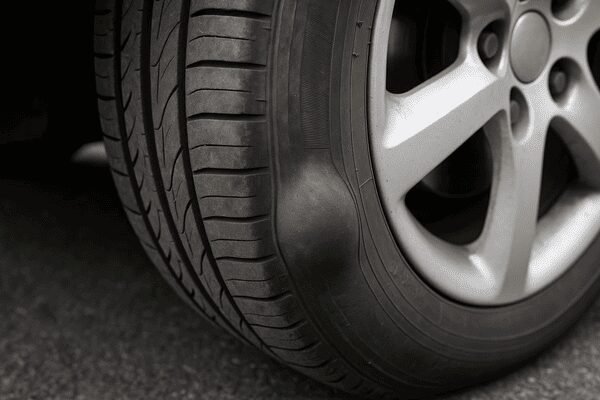
Sidewall Bulge
A visible bubble or lump on the sidewall of the tyre
A sidewall bulge means the internal structure has been compromised, typically by a sharp impact with a pothole or kerb. The cords inside the tyre that give it strength have broken, and air pressure is pushing outward through the weakened area. This is a blowout waiting to happen and should not be driven on under any circumstances.
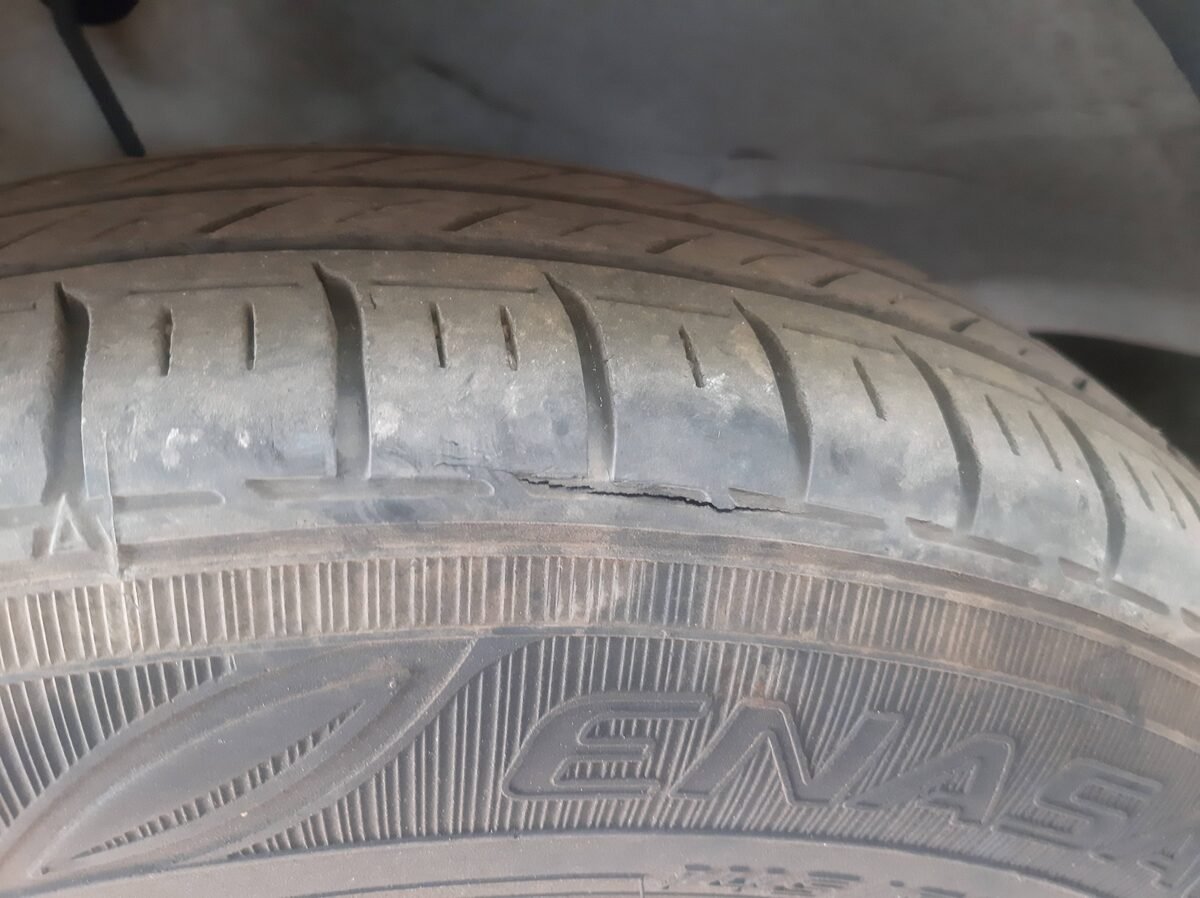
Sidewall Cracking
Fine cracks or crazing on the sidewall rubber, common on older or little-used tyres
Tyre rubber degrades over time through UV exposure and ozone, even on tyres with adequate tread. Tyres over five to seven years old can show surface cracking regardless of how little they have been driven. Light surface crazing can be monitored, but deep or widespread cracking indicates the rubber has perished and the tyre should be replaced.
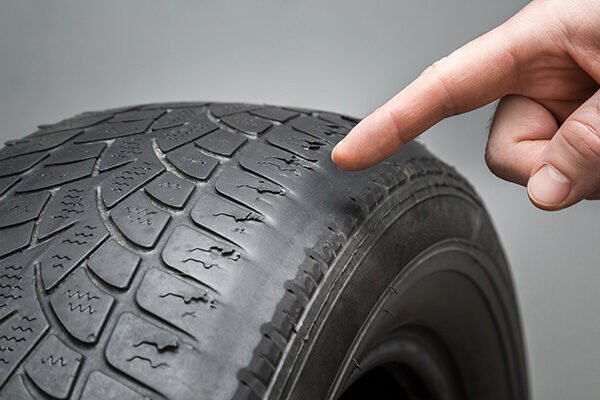
Uneven Wear
Tread worn unevenly across the width of the tyre, one edge lower than the other, or excessive centre wear
Uneven wear is almost always a symptom of an underlying issue rather than a tyre problem. Centre wear indicates overinflation. Edge wear on both sides indicates underinflation. Wear on one edge only indicates a wheel alignment problem. Any uneven pattern means the tyre is working incorrectly and the root cause needs addressing alongside replacing the tyre.
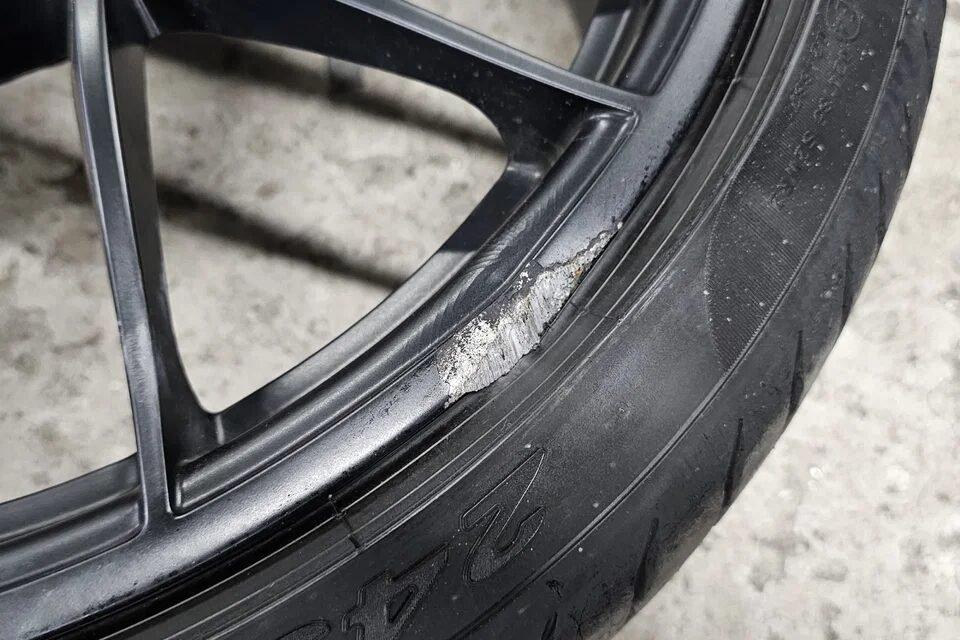
Kerb Damage & Scuffs
Scratches, gouges, or paint missing from the outer rim of the wheel
Kerb damage is the most common alloy wheel issue, caused by catching the wheel against a kerb when parking. It is almost always cosmetic rather than structural unless the impact was severe enough to crack or bend the rim. Scuffed alloys significantly affect the look of even a well-maintained car and are worth addressing before they oxidise or corrode further.
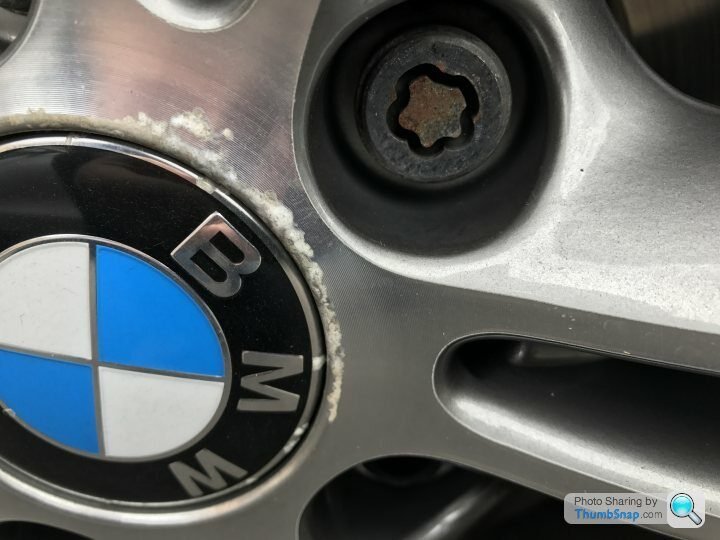
Alloy Corrosion & Lacquer Peel
White powdery deposits, pitting, or clear coat peeling from the wheel surface
Alloy wheels corrode when the protective lacquer is breached and moisture gets beneath it. Road salt accelerates this significantly, which is why winter is the season most wheels deteriorate. Once the lacquer starts peeling, corrosion spreads quickly beneath the surrounding intact lacquer, so catching it early matters. Heavy corrosion can also affect the bead seal where the tyre sits.
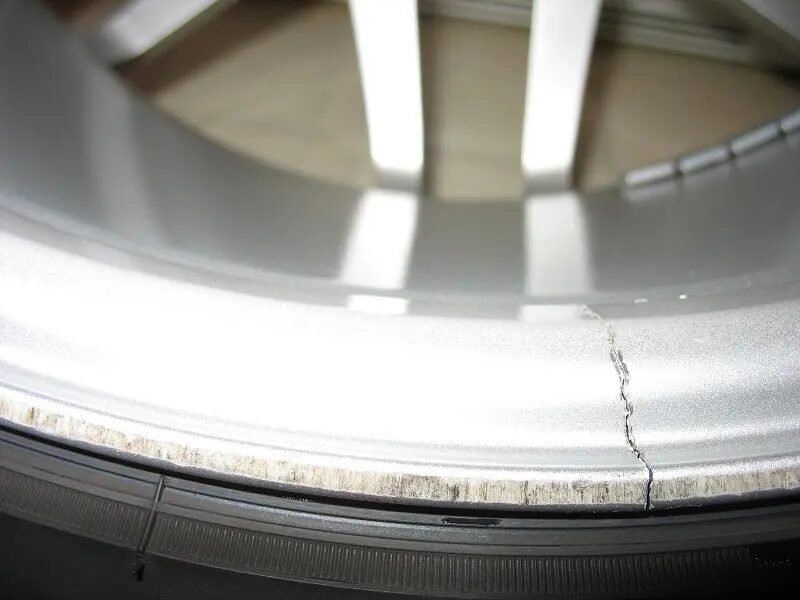
Cracked Alloy
A visible crack running through the wheel, usually near the spoke or barrel
A cracked alloy is a serious safety issue. Cracks are typically caused by severe pothole impacts, hitting a kerb at speed, or a previous impact that was not properly assessed. Unlike kerb scuffs, a cracked alloy cannot be repaired and must be replaced. Welding a cracked alloy is not considered safe for road use.
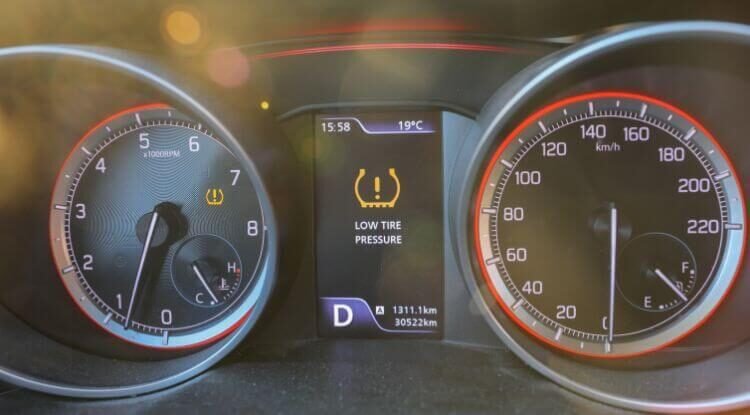
Low Tyre Pressure
Tyre looks visibly lower than the others, or TPMS warning light on dashboard
Underinflated tyres increase fuel consumption, cause edge wear on both shoulders, reduce handling precision, and generate excess heat in the tyre which accelerates degradation. A slow puncture, faulty valve, or perished valve stem are common causes of persistent low pressure in a single tyre rather than gradual loss across all four.
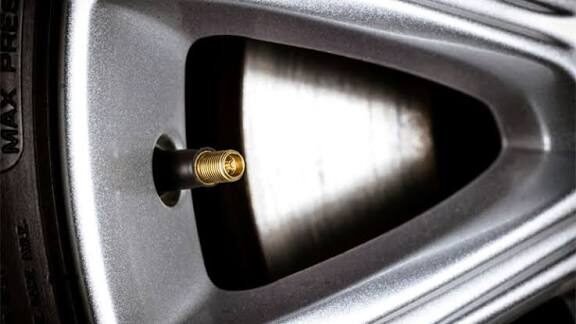
Damaged or Perished Valve
Valve cap missing, valve rubber cracked or deformed, slow pressure loss with no obvious puncture
Tyre valves are a small but critical component. A missing valve cap allows dirt and moisture into the valve core, causing it to corrode and leak. Rubber valve stems perish over time, especially in high-mileage or older vehicles, and can become a source of slow air loss that mimics a puncture. TPMS sensor valves are more expensive to replace but serve the same purpose.